

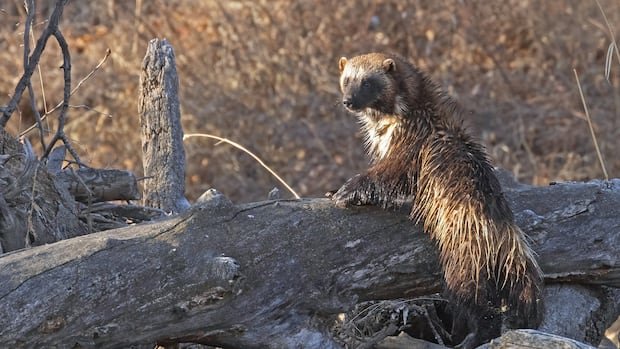

A recent study reveals that outdoor enthusiasts engaging in backcountry activities such as skiing, snowshoeing, and snowmobiling are impacting wolverine populations more significantly than previously recognized. Conducted across the Columbia and Rocky Mountain ranges, including Banff National Park, the research indicates that regions with higher levels of recreation and road infrastructure have fewer wolverines inhabiting those areas.
The study, led by Mirjam Barrueto and her team at the University of Calgary in collaboration with Parks Canada, covered an extensive 80,000 square kilometers known for being prime wolverine habitat. While initial estimates suggested the region could sustain approximately 500 to 600 wolverines, the study findings indicate that only around 300 wolverines currently reside there.
Notably, the research highlights that winter outdoor activities have a more pronounced impact compared to summer pursuits. Barrueto emphasized that winter recreation leaves a larger footprint due to the snow cover, enabling activities like skiing and snowmobiling to traverse wider areas, unlike in summer where trails limit movement.
Female wolverines, especially vulnerable during the winter when raising their young, are at risk of disturbance that can lead to abandoning den sites or expending energy evading human presence instead of caring for their offspring. Barrueto suggests implementing temporary restrictions in sensitive winter months to protect these crucial habitats.
The study also observed a decline in female wolverine numbers with an increase in road networks, unlike male wolverines. Wildlife ecologist Jason Fisher from the University of Victoria expressed concern over the findings, emphasizing the importance of preserving undisturbed habitats like the Rocky Mountains and national parks for wolverine conservation.
Barrueto underscored that even minimal human activity, not just high foot traffic, can disrupt wolverine populations. Encouraging people to stick to established trails rather than creating new ones or venturing off-trail could help mitigate the negative impacts on wolverines.
Furthermore, Fisher stressed the need for better management of threats such as trapping, hunting, and vehicle collisions to safeguard wolverine populations facing limited tolerance for additional losses. Urgent conservation efforts are essential to ensure the continued survival of these resilient animals that have endured for millennia in the mountainous regions.
Source: CBC News