

Latvian legislators are set to initiate talks on the formation of a new government post a recent parliamentary election where Prime Minister Andris Kulbergs’s four-party coalition, known for its pro-Ukraine stance, garnered 35 percent of the vote.
A political turmoil earlier in May, triggered by the handling of stray drones suspected to be from Ukraine, led to the downfall of the existing coalition, which was grappling with various issues. Subsequently, the parliament, or Saeima, gave the nod to Kulbergs, representing the centrist United List party which was previously in the opposition camp.
Latvia, along with its Baltic counterparts Lithuania and Estonia, stands firmly in support of Ukraine against the Russian incursion. The country shares borders with both Russia and the pro-Moscow nation of Belarus.
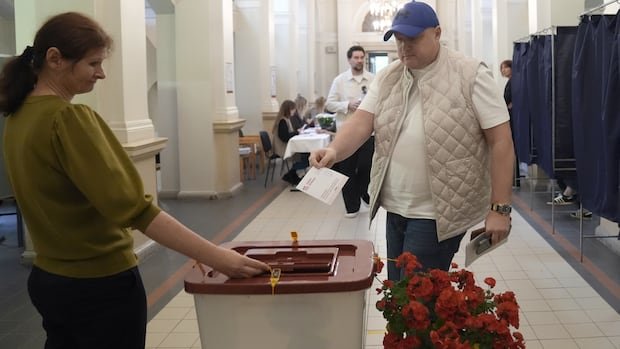
The recent election in Latvia, with a voter turnout exceeding 51 percent, reflects the nation’s concerns regarding potential Russian threats. Over 1.56 million eligible voters out of the total population of more than 1.8 million participated in electing the 100 members of the Saeima for a four-year tenure.
The United List party is anticipated to secure 42 parliamentary seats, necessitating a coalition of multiple parties to navigate the fragmented political landscape. In Latvia, parties need to secure a minimum of five percent of the vote to secure seats in the parliament.