

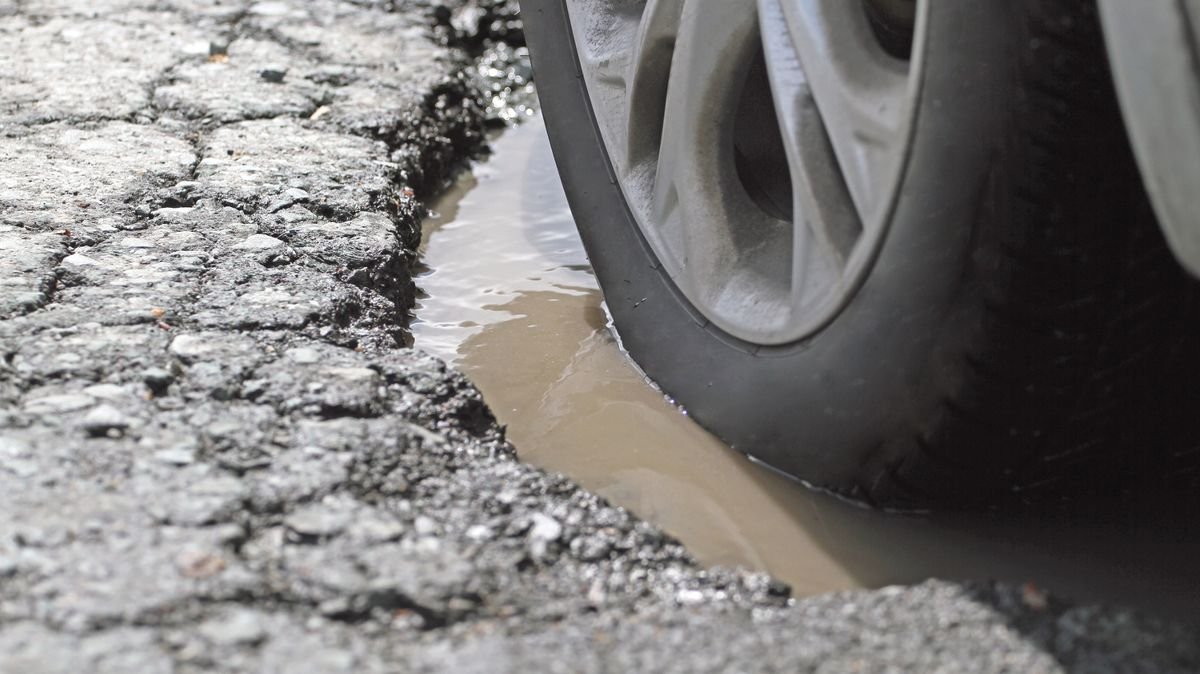

Potholes are a major concern for drivers, with many having personal experiences or knowing which ones to avoid on local roads. The issue has become a significant topic in elections, as governments have often shifted responsibility to local councils and the Highways Agency. Potholes rank high on voters’ lists of concerns, alongside litter and bin collections.
The government recently allocated £7.3 billion for road maintenance, but the estimated cost to repair all potholes in the UK is £17 billion. Despite this funding gap, a resourceful map has been provided to track the repair progress of local councils.
Dealing with pothole damage can be frustrating, as some councils handle claims poorly. However, persistence and understanding the legal process can lead to successful claims. It is advisable to gather evidence promptly, including photos of the pothole, vehicle damage, and any relevant details.
Making a claim with the responsible council or highway agency is crucial. While insurance claims are an option, a comprehensive policy is necessary, and insurers may require exhausting council procedures first. Reporting potholes and documenting the incident thoroughly are essential steps before pursuing a claim.
In more serious cases, pothole damage can lead to loss of vehicle control and potential further harm. Prioritizing safety, drivers should assess the damage carefully and document it accurately. Repairing the vehicle before claiming is essential, along with providing detailed information to support the claim.
Challenging a rejected claim involves appealing the decision and potentially escalating the matter to the Small Claims Court. The process may seem daunting, but it is manageable and has proven successful for many claimants. Understanding the procedures and seeking legal recourse if necessary can lead to a satisfactory resolution.