

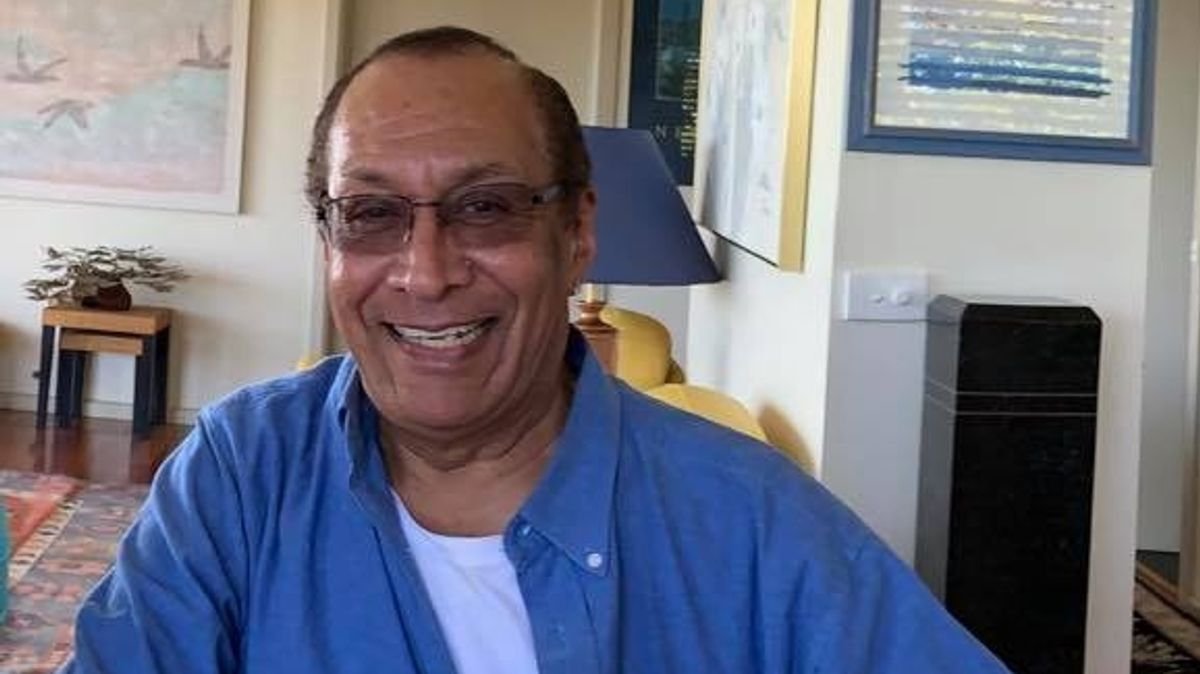

An elderly man named William Ian Southey passed away at 73, leaving behind a substantial £1 million estate for his online companion, Kyle Stuart Jackson. However, it was later discovered that Kyle, who was supposed to inherit the fortune as the will’s executor, was a fictitious persona.
William, a resident of Melbourne, had turned to online relationships after losing his partner of forty years. He connected with Kyle in early 2022 and had intentions of marrying him. Following William’s demise, doubts arose regarding Kyle’s identity, leading to a legal investigation.
Despite efforts by solicitors to authenticate Kyle’s existence through various means, such as phone calls, emails, and even a suspected fraudulent passport, his legitimacy could not be verified. An attempted cheque payment to Kyle for £647,500 ($1.3 million) was also flagged as invalid by Toronto-Dominion Bank.
Associate Judge Caroline Anne Goulden concluded that Kyle Stuart Jackson, as named in the will, was non-existent. This case highlights the risks associated with online relationships and financial scams, emphasizing the importance of caution in such matters.
Communication between William and the fabricated Kyle was solely online, yet it resulted in Kyle being designated as the estate’s executor and sole heir, including a property in Melbourne that was sold for £1.25 million ($2.5 million).
This incident serves as a cautionary tale, prompting awareness about the vulnerabilities in online interactions and the potential repercussions, as highlighted by William’s ex-wife’s lawyer, Rachael Hocking.