


In the realm of esteemed dramas, a recurring query arises: Is there a necessity for yet another historical narrative? Must there be another screen adaptation of a Jane Austen classic like “Sense and Sensibility”?
Frequent viewers of Ang Lee’s 1995 rendition of “Sense and Sensibility” may ponder this inquiry. The works of Austen have been recurrently brought to the screen, with “Sense and Sensibility” alone seeing no less than five earlier adaptations.
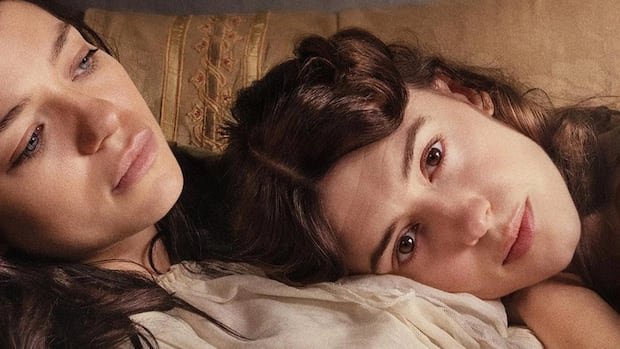
Now, director Georgia Oakley presents her interpretation of “Sense and Sensibility,” set to premiere in theaters on Oct. 16. Featuring Daisy Edgar-Jones as Elinor Dashwood and Esmé Creed-Miles as her sister Marianne, and scripted by Diana Reid, this rendition does not aim to outshine the romance of the 1995 film.
Instead, it delves into the profound sisterly bond between the Dashwood sisters and the financial uncertainties that constrain their choices.
Following their father’s demise, the Dashwood sisters face a diminished financial status as the estate is inherited by their half-brother, compelling them to relocate to a more modest dwelling. In Austen’s era, women’s futures were heavily reliant on male relatives’ benevolence or the security of marriage, rendering this sudden loss of status and stability particularly precarious.
The film’s visual narrative mirrors this transition: moving away from the refined elegance of the drawing room to the rugged countryside, amidst inclement weather, mud, and untamed fields. Engaging in activities like gardening, long walks, beach running, and wading through ponds, Elinor seeks solace in sketching and skipping rocks, while Marianne is often depicted reclining in fields, gazing at the sky.
This raw setting not only accentuates their financial vulnerability but also highlights their shared experiences. Elinor’s composure may mask her deep emotions, while Marianne’s openness exposes her to heartache. Throughout the narrative, circumstances prompt each sister to comprehend the other’s point of view.
“The focus of the love story is on the two girls,” Edgar-Jones remarked regarding Oakley and Reid’s directorial approach. She further expressed that working with her longtime friend Creed-Miles felt effortless.
The sisters serve as each other’s confidantes, critics, and pillars of support. Canadian author Natalie Jenner, drawing inspiration from Austen’s legacy in her novel “The Jane Austen Society,” views this bond as a timeless element that resonates with audiences. Jenner emphasizes the significance of strong familial ties, providing a sense of constancy and guidance amid modern-day needs for stability and community.
The male characters in the new film offer a fresh perspective from Ang Lee’s 1995 adaptation. Herbert Nordrum, portraying Colonel Brandon, depicted the character as awkward and enigmatic, focusing on his internal struggle to express his emotions. This contrasts with Alan Rickman’s portrayal, imbuing Brandon with gravitas and a silent yet profound affection for Marianne.
In the 2026 version, Frank Dillane aimed to humanize John Willoughby by showcasing his sweeter attributes while acknowledging his flawed actions. He aimed to present Willoughby as a multidimensional character who makes mistakes and experiences love.
While Lee’s adaptation exudes grandeur, Oakley’s version exudes a quieter, more grounded essence that seeks to explore the enduring relevance of Austen’s narratives. Jenner reflects on the enduring appeal of Austen’s characters, emphasizing the importance of staying true to oneself and pursuing happiness without compromising one’s identity.
Jenner perceives a growing demand for naturalistic portrayals among younger audiences post-pandemic, echoing a desire for simplicity, nature, and warmth in modern adaptations.
Austen’s tales encapsulate not just romance but themes of friendship, family, community, and the pursuit of personal happiness. The debate over the necessity of another “Sense and Sensibility” adaptation persists, with audiences potentially discovering the value of a fresh interpretation that showcases Austen’s timeless storytelling.