

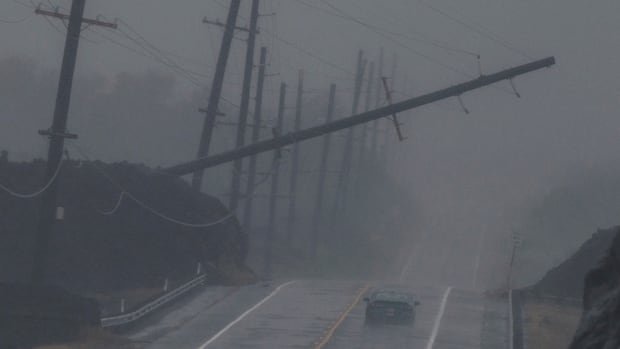

Hurricane Lala diminished to a tropical storm on Sunday as it bypassed Hawaii’s landmass. Despite not making direct landfall, the storm unleashed powerful gusts and heavy rainfall, accumulating nearly one meter of precipitation in some areas and triggering torrents of water cascading down mountain slopes.
Emergency teams, including Civil Defence, the National Guard, and a coast guard helicopter, initiated a search-and-rescue operation following reports that flash floods had swept away several homes in Na’alehu and Wai’ohinu, coastal communities near the southern tip of the Big Island.
Hawaii County Mayor Kimo Alameda described the rescue efforts as extremely challenging due to the presence of rushing water, debris, boulders on roads, and darkness early Sunday morning. Tragically, one fatality was reported in a vehicle accident in the South Point region of the Big Island, as confirmed by Governor Josh Green on Saturday.
Honolulu faced the brunt of the storm on Sunday morning as tropical storm conditions extended across the island chain. The Honolulu Fire Department responded to numerous weather-related incidents, including reports of downed trees, damaged roofs, power lines, and a successful swimmer rescue operation.
While a flash flood warning remained in effect for much of the state, the U.S. National Hurricane Center downgraded the Big Island to a flood advisory on Sunday. Meteorologist Stephen Parker highlighted the ongoing threats of heavy rainfall, mudslides, fallen trees, flooding, and downed power lines.
Residents were advised to stay indoors until the storm subsided and the hazards were cleared. Over 200,000 properties were without electricity by mid-morning, with a significant portion of the Big Island experiencing power outages. Some hospitals were operating on backup generators due to the widespread power disruptions.
Hurricane Lala generated powerful waves along the Big Island’s coastline as it passed near the region. While the storm did not make landfall, its relentless winds and heavy rains impacted the mountainous terrain, leading to swollen waterways, fast-moving runoff, and challenging conditions for residents and emergency responders.
Tropical storm warnings were issued for several islands, raising concerns about potential flooding and wildfires sparked by strong winds in the drier regions. Lanai, Moloka’i, and Oahu experienced the heaviest rainfall, with gusts exceeding 161 km/h recorded at Mauna Kea volcano on the Big Island.
As of the latest update from the National Hurricane Center, Lala was positioned approximately 220 kilometers west of Honolulu with sustained winds of 100 km/h, moving at a speed of 28 km/h. Forecasters anticipated minimal changes in the storm’s intensity through Monday, with the possibility of Lala regaining hurricane status later in the week.
The Big Island, particularly areas near Mauna Kea, received significant rainfall, leading to concerns about potential mudslides and unstable slopes where some residents reside in makeshift dwellings. Precautionary measures, including shelter openings and livestock management, were implemented ahead of the storm’s arrival to minimize potential damage.
Local businesses, such as the Punalu’u Bake Shop in Naalehu, suffered severe damage from the storm. The bakery manager described the impact as catastrophic, with floodwaters inundating the premises and leaving behind layers of mud.
Residents like Kate McLellan on Oahu’s North Shore remained vigilant during the storm, closely monitoring developments and recalling the challenges posed by previous severe weather events. McLellan praised the state’s preparedness efforts and observed proactive measures taken by crews to safeguard infrastructure and mitigate risks posed by the storm.