
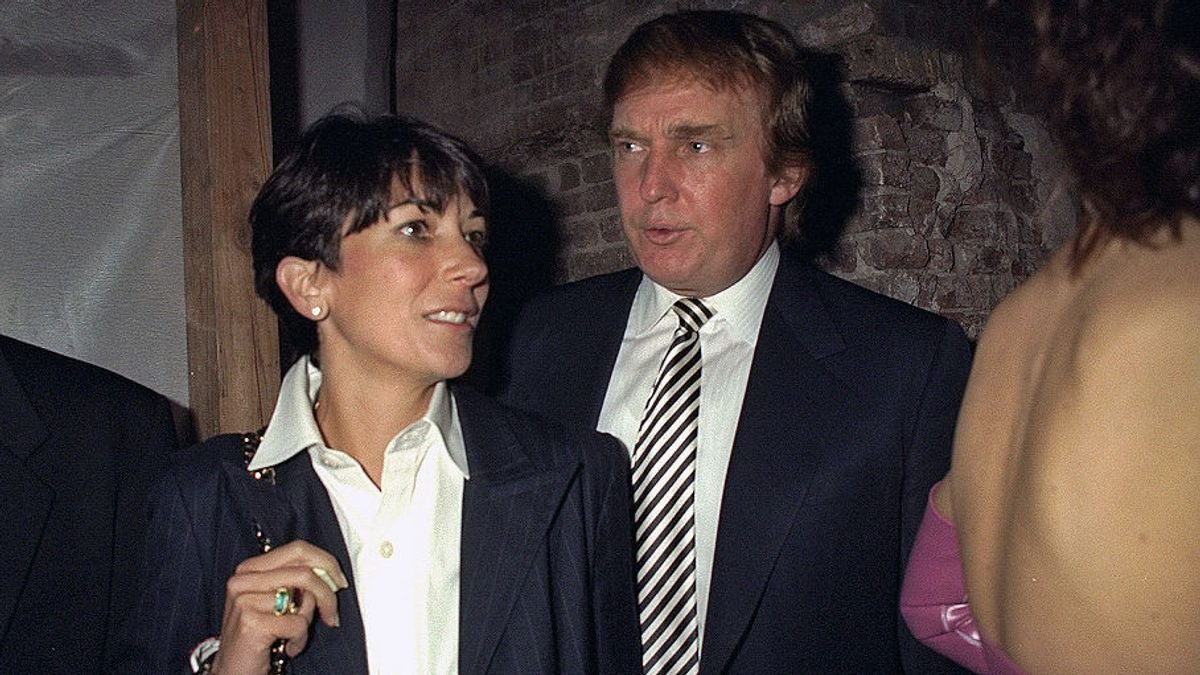

Ghislaine Maxwell is set to make an appearance in front of a US congressional committee, opting to remain silent. The convicted individual, currently serving a 20-year prison term for teen sex trafficking, is slated to give virtual testimony to the House Oversight and Government Reform Committee on February 9. Maxwell’s legal team has indicated her intention to invoke the Fifth Amendment, refraining from providing any answers or details. This strategic silence is poised to convey a significant message.
Although officially framed as a routine exercise of constitutional rights, Maxwell’s upcoming testimony is speculated to be directed towards a single individual, Donald Trump, rather than Congress, the public, or Jeffrey Epstein’s victims. Maxwell, known for her role as Epstein’s fixer and enforcer, is well-versed in the dynamics of power and the importance of keeping sensitive information concealed.
The intricate relationship between Trump, Epstein, and Maxwell has been extensively documented through their social interactions in New York and Florida. While various sources have placed Trump in close proximity to the duo, the exact nature of their association remains undisclosed. Maxwell’s decision to maintain silence is strategically aimed at safeguarding her leverage and value, particularly in light of Trump’s history of rewarding loyalty and penalizing those who speak out.
The upcoming appearance before the committee comes amidst mounting criticism towards the US Justice Department, led by Attorney General Pam Bondi, for the sluggish release of Epstein-related documents. Democrats on the committee have accused the Department of Justice of granting Maxwell preferential treatment, highlighting the disparities in handling her case.
With limited legal recourse following a failed Supreme Court appeal, Maxwell’s best chance for leniency lies in a potential presidential pardon or sentence commutation. By choosing to withhold information regarding Trump’s connections to Epstein and herself, Maxwell aims to retain her utility and potentially secure a favorable outcome. This scenario underscores the notion that power often trumps accountability in cases like the Epstein scandal.