

New Study Shows Healthy Food and Probiotics May Slow Cancer Tumor Growth
A recent study suggests that enriching the diets of cancer patients with nutritious food and beneficial bacteria could potentially impede the progression of tumors. In an international trial involving prostate cancer patients, the administration of supplements led to a deceleration in the advancement of a key indicator of prostate cancer found in the blood. Participants who received a vegetable supplement containing ingredients like broccoli, turmeric, pomegranate, green tea, ginger, and cranberry also reported enhancements in urinary symptoms over the course of a four-month study.
Furthermore, the inclusion of a probiotic with Lactobacillus bacteria seemed to lower levels of prostate-specific antigen (PSA) in the blood, a marker for disease advancement. Professor Robert Thomas, the lead author of the study and a consultant clinical oncologist at the University of Bedfordshire, highlighted the positive outcomes, stating that the rebalancing of gut bacteria demonstrated a potential to slow prostate cancer activity, alongside improving various aspects of men’s health including urinary symptoms, inflammation, and physical strength.
Probiotics, known for their health benefits, consist of live bacteria and yeasts often incorporated into yogurts or consumed as supplements. These “friendly” bacteria aid in restoring the natural equilibrium of gut bacteria, as advocated by the NHS.
The crucial balance of microorganisms in the digestive system, referred to as the microbiome, can be disrupted by illness, medications, and a diet lacking in fresh, whole foods. Scientists emphasize the significance of these microorganisms for overall health, playing a pivotal role in bodily functions, particularly the immune system.
The trial, spearheaded by a team from the University of Bedfordshire in collaboration with experts from Cambridge University Hospitals and Bedford Hospital, in conjunction with scientists from California and Perth, Australia, involved 212 men with low-risk prostate cancer who were provided with the vegetable-rich supplement.
The selection of ingredients for the supplement was based on their high phytochemical content, known for their antioxidant, anti-inflammatory, and anticancer properties. While half of the participants were given a placebo, the other half also received the probiotic containing Lactobacillus.
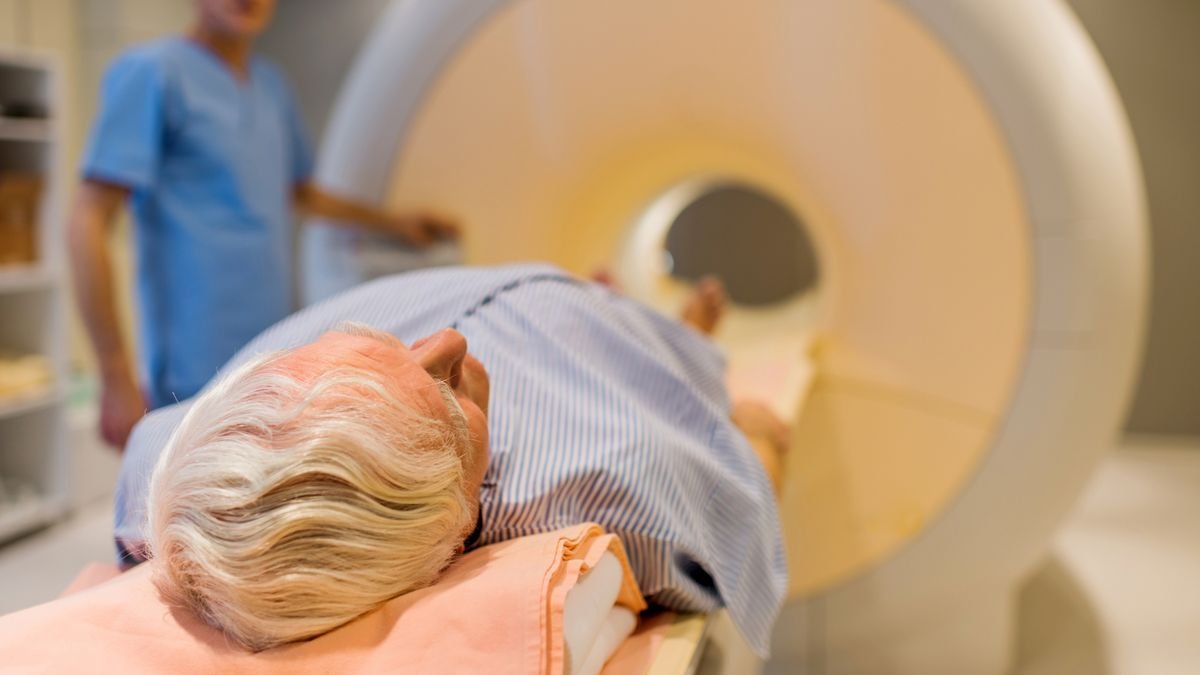
Results indicated a significant slowing of PSA progression in both groups, with a more pronounced effect observed in the group consuming the additional probiotic. Disease progression was monitored through MRI scans during the study period.
Published in the European Urology Oncology journal, the study concluded that a majority of participants who received the supplement and placebo exhibited stable disease, with a smaller percentage experiencing disease progression. In contrast, those who consumed the supplement and probiotic showed a higher rate of stable disease, with some even displaying disease regression.
Dr. Jeffrey Aldous, a senior lecturer in exercise physiology at the University of Bedfordshire, acknowledged the impact of targeted dietary strategies on the gut microbiome, emphasizing the potential benefits on cancer-related markers and overall well-being. Dr. Hayley Luxton, a spokesperson for Prostate Cancer UK, emphasized the study’s positive implications, highlighting the potential for healthier diets to yield better outcomes for men while enhancing their overall health.
While further research is warranted to determine the precise role of probiotics and supplements, maintaining a balanced and healthy diet is recommended for optimal health and well-being.