
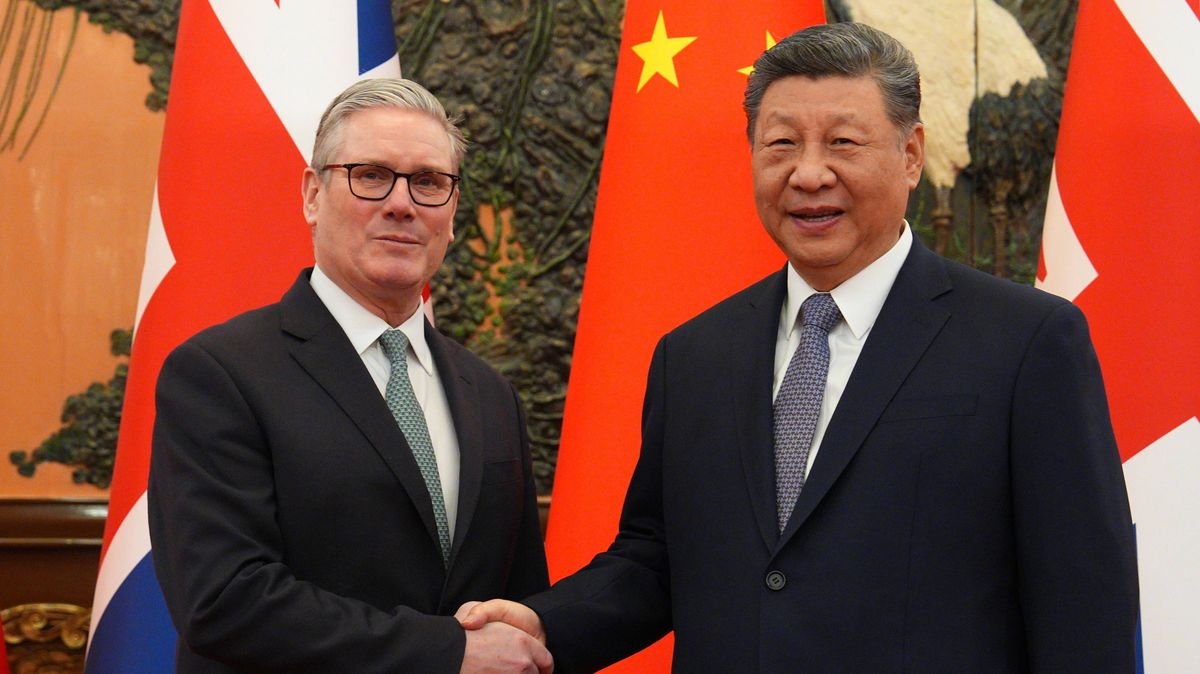

In Beijing, China’s President Xi and Keir Starmer engaged in a conversation that may have gone like this: “It’s good to be in the company of a strong autocrat like yourself,” Xi said, praising Starmer’s ability to maintain control. Starmer, in response, mentioned a past electoral victory that saved him from defeat.
Despite the exchange, it’s unlikely Xi is familiar with specific UK constituencies like Gorton and Denton. However, recent developments have put these areas in the spotlight. The upcoming election in Manchester could impact Starmer’s political future significantly.
Starmer’s decision to prevent Andy Burnham from contesting the mayoral race was met with criticism, as many saw it as a move to protect his own position rather than avoid a costly election. This action further weakened his image, already tainted by multiple policy reversals, such as the recent pub business rates issue.
Labour’s decline in membership and voter support over the past 20 months has been notable, with Starmer facing low approval ratings. The upcoming election in Gorton poses a crucial challenge for the party, as the Reform candidate threatens to sway working-class voters with divisive rhetoric on ethnicity and nationality.
Burnham, with his long-standing ties to the working-class community, presents a stark contrast to Starmer’s perceived disconnect. To combat the rise of far-right ideologies, Labour needs leaders who resonate with the public and address their concerns effectively. The outcome in Gorton could signal a shift in party dynamics, potentially favoring Reform or the Greens over Labour.
The reluctance to support Burnham’s candidacy reflects a dangerous trend in British politics, where disillusioned voters seek alternatives to traditional parties. Leaders like Farage and Zack Polanski of the Greens are gaining popularity for their perceived authenticity, posing a real threat to the established political landscape.
As the political scenario unfolds, the possibility of Farage’s success at the next election looms large, setting the stage for a transformative period in British politics. Amidst these challenges, political leaders must engage with the electorate effectively to prevent further polarization and the rise of extremist ideologies.