
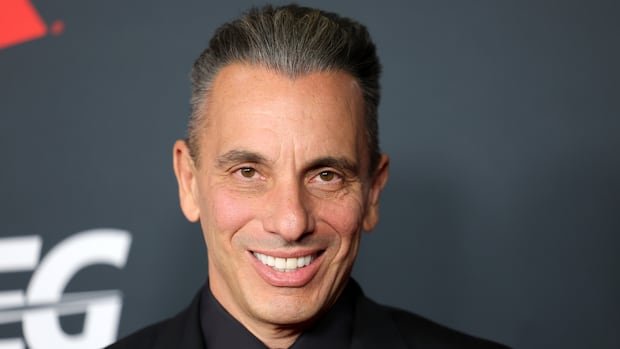

Comedian Liz Miele has recently faced a significant drop in her earnings, mirroring the plight of many others in the industry. SiriusXM has discontinued its Raw Comedy/Raw Dog channel, a platform that showcased over 800 comedians, and replaced it with a channel owned by top comedian Sebastian Maniscalco. This move has left Miele and numerous working-class comedians without a crucial source of income and visibility, as high-profile celebrity comics now dominate the airwaves.
Miele shared how Sirius XM was a financial lifeline for her during tough times, helping not only her but also fellow comedians struggling with various personal challenges. While Maniscalco and SiriusXM claim that the new channel will offer opportunities for comedians at different career stages, industry watchdog Stand Up for Standup reveals a contrasting reality.
Before the transition, Raw Comedy featured over 800 comedians monthly, each earning $15 in royalties per performance. However, the revamped channel only showcased 275 comedians last month, with the top 50 artists receiving more than 75% of the airplay, including renowned figures like Chris Rock and Kevin Hart.
Miele criticized the shift, highlighting the wealth concentration among a select group of comedians, unlike the previous diverse pool. She emphasized the adverse impact on emerging talents, who may now struggle to break into the industry without platforms like SiriusXM.
Canadian comedian Danish Anwar echoed similar sentiments, expressing how the loss of SiriusXM royalties has affected many comedians, especially those reliant on the income for work visas. The situation has pushed some to consider returning to Canada due to financial constraints.
Despite calls from fellow comedians like Patton Oswalt and Michelle Wolf urging for support to emerging talents, Maniscalco clarified that the decision to axe Raw Comedy was made by SiriusXM before his involvement. The company cited underperformance as the reason for the change.
Looking ahead, comedians like Steph Tolev emphasize the importance of solidarity and collective action in advocating for fair treatment within the industry. While the situation remains challenging, there is hope for positive change through unified efforts in addressing industry practices and supporting emerging talents.