


Britain’s Foreign Secretary has emphasized the need for increased defenses in the Arctic to confront escalating threats from Russia and other adversarial nations. Yvette Cooper highlighted the Arctic’s growing significance as a strategic area for NATO due to climate change-induced territorial expansions. During her official visits to Finland and Norway, Cooper urged allied nations to enhance security measures against aggressive state actors such as Russia and China, who are actively seeking to extend their influence in the region.
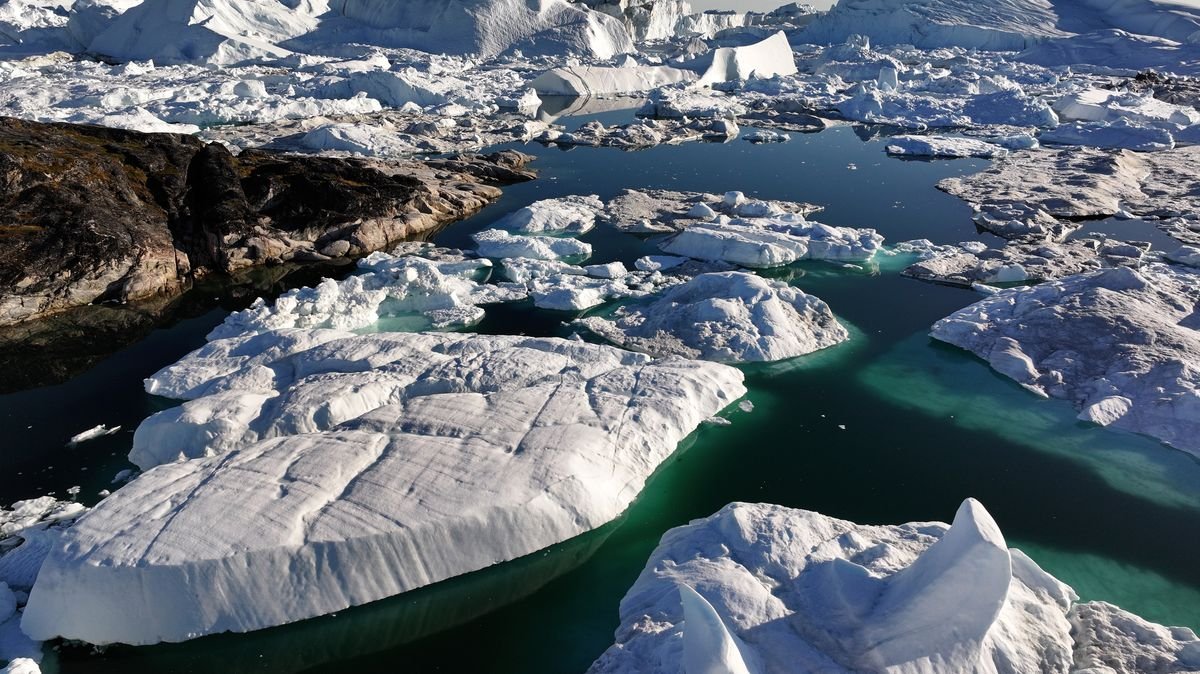
Recent tensions over control of the High North have heightened following former U.S. President Donald Trump’s proposals to secure Greenland for American security interests. The melting ice has unveiled new maritime routes and valuable resources, triggering a geopolitical competition for dominance in the Arctic. Russia has been actively militarizing the region and utilizing it as a conduit for its shadow fleet to transport oil and gas discreetly and evade sanctions.
In a recent operation, the UK provided support to the U.S. coastguard in intercepting the Bella 1 tanker off the British coast. Cooper affirmed that Britain is intensifying its focus on Arctic security, collaborating with allies to fortify defenses and deter potential threats posed by figures like Vladimir Putin. As the Arctic landscape continues to evolve due to climate change, it is increasingly vital for NATO to secure the region.
Cooper emphasized the collective responsibility to address emerging challenges head-on, enhancing overall safety and security. Arctic security stands as a key transatlantic partnership concern for the UK and NATO, necessitating unified efforts to counter this evolving threat. During her visits to Finland and Norway, she engaged with border guards and Royal Marines, underscoring the critical role of Arctic security in safeguarding national interests and fostering alliance cohesion.
Furthermore, Cooper’s itinerary included interactions with Finnish border guards safeguarding NATO’s eastern border with Russia and a visit to Norway to observe Royal Marines participating in live training exercises at Camp Viking. This military facility serves as the year-round operational center for the UK Commando Force, offering essential cold weather training to approximately 1500 personnel.