

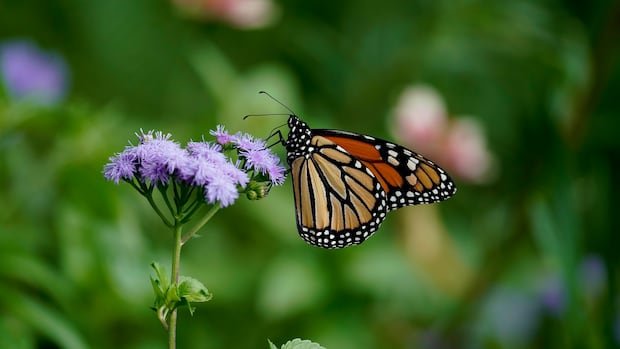

A surge in monarch butterfly activity is delighting Canadian enthusiasts this summer, with MaryAnn Lepp observing a record number of caterpillars in her garden. The favorable weather conditions in parts of the Prairie have led to an increase in butterfly sightings, sparking excitement among nature lovers like Lepp. While experts cannot definitively attribute the surge to weather, the abundance of caterpillars, chrysalises, and butterflies bodes well for the federally endangered species.
Marika Olynyk, curator of the Living Prairie Museum, noted a significant presence of monarchs in Winnipeg throughout the season. Despite the availability of various nectar sources, monarch caterpillars exclusively feed on milkweed leaves, emphasizing the importance of preserving their habitat. Habitat loss, primarily due to the conversion of native grasslands to farmland, remains a critical threat to monarch populations.
In efforts to protect these iconic butterflies, the federal government upgraded the legal status of monarchs to “endangered” in 2023, prohibiting any harm to them on federal lands. Additionally, conservation programs like those at the Assiniboine Park Zoo are working to save the critically endangered Poweshiek skipperling, a butterfly on the brink of extinction.
With positive signs of monarch and Poweshiek populations increasing, conservationists are hopeful for their recovery. Despite these advancements, challenges persist, emphasizing the ongoing need for conservation efforts. Through initiatives like radio-tracking monarchs and community engagement, individuals like Lepp are actively contributing to the preservation of these species and their habitats.