

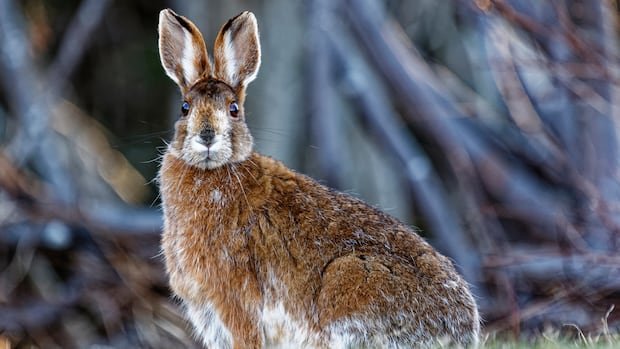

Snowshoe hares have become more prevalent on Prince Edward Island following post-tropical storm Fiona, according to a wildlife biologist from the province. Garry Gregory from P.E.I.’s fish and wildlife division noted an increase in sightings of what many Islanders mistake for rabbits in their surroundings. However, Gregory clarified that these animals are likely snowshoe hares, as rabbits are not indigenous to the region.
While there is no formal data tracking the surge in the snowshoe hare population, Gregory suggested that alterations to the landscape post-Fiona indicate a probable increase. The storm left behind dense debris, creating ideal escape cover for hares in forests and woodlots across P.E.I. This cover has contributed to the hares’ survival and potential population growth.
The aftermath of the storm also facilitated new growth by allowing sunlight to penetrate the forest canopy. This growth includes plants like willows, grey birch, maples, and pin cherry, which serve as essential winter forage for snowshoe hares. Additionally, the new habitat benefits other wildlife species that rely on early successional growth for sustenance.
Gregory emphasized that encountering hares in yards is typically harmless, except for minor garden nibbling. He advised against feeding the hares, as they have abundant natural food sources and may become wary of human-provided food. Moreover, feeding them could attract predators, posing a risk to the hares’ safety. Gregory also addressed concerns about ticks on hares, mentioning that the presence of “rabbit ticks” on hares is normal and does not typically pose a significant health threat unless the infestation is severe.