

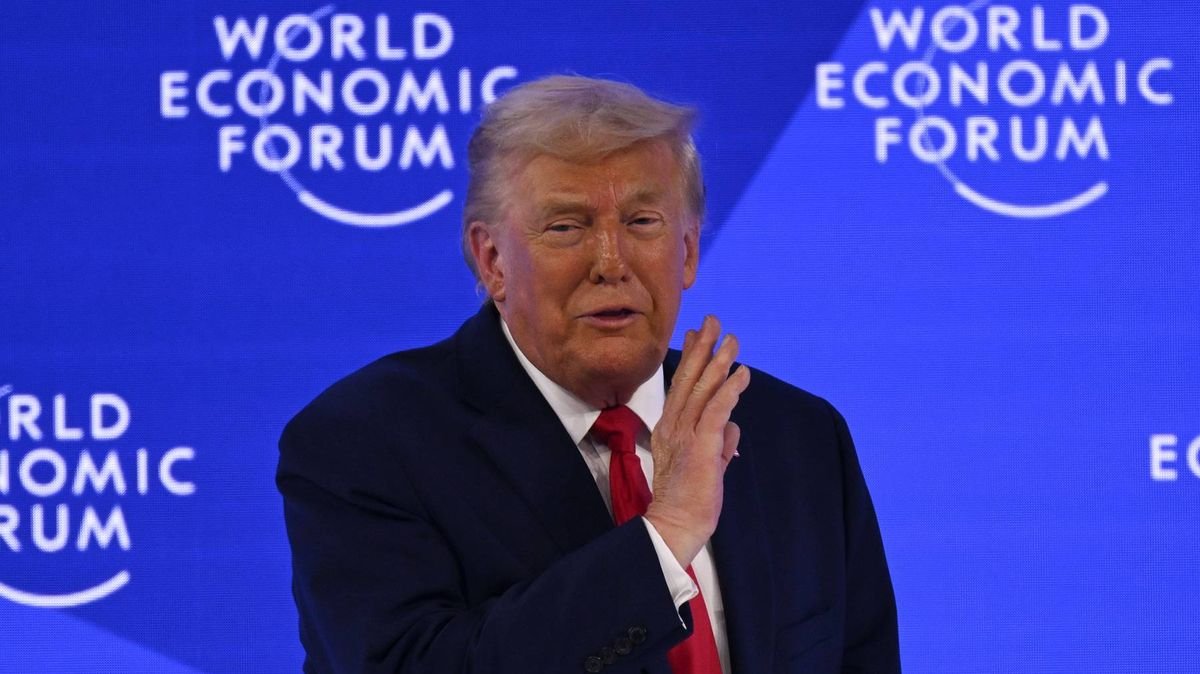

In a recent address at the World Economic Forum, President Donald Trump’s demeanor and communication style were scrutinized by a psychotherapist and behavioral expert. While speaking to global leaders and financial figures in Davos, Switzerland, Trump covered various topics, including his interest in acquiring Greenland, opinions on China, and NATO relations.
Shelly Dar, a seasoned mental health therapist, highlighted Trump’s controlled presentation, focusing on his body language and speaking manner. Dar emphasized how Trump’s rigid posture and limited body movement behind the podium concealed valuable behavioral cues, such as signs of anxiety or agitation.
Dar pointed out that Trump’s deliberate containment behind the lectern projected an image of immovability and authority to the audience. However, when Trump eventually stepped away from the podium, his body language transformed, showing more confidence through gestures, varied pitch, and a relaxed pace.
According to Dar, Trump’s confidence shines through when he improvises rather than delivering scripted remarks, indicating a preference for spontaneity over structured communication. This approach, prioritizing dominance and assertion, contrasts with the collaborative and nuanced environment of Davos, showcasing Trump’s unyielding authority.
Dar further explained that Trump’s dominant personality style, marked by certainty and decisiveness, may be perceived as strength or rigidity depending on individual perspectives. Trump’s refusal to adapt to the room’s energy but instead setting the tone reflects his overarching need for control and authority.
Overall, Dar concluded that Trump’s communication strategy, centered on dominance and assertion, starkly contrasts with the collaborative nature of the setting in which he presented, highlighting his unwavering sense of authority and confidence.