

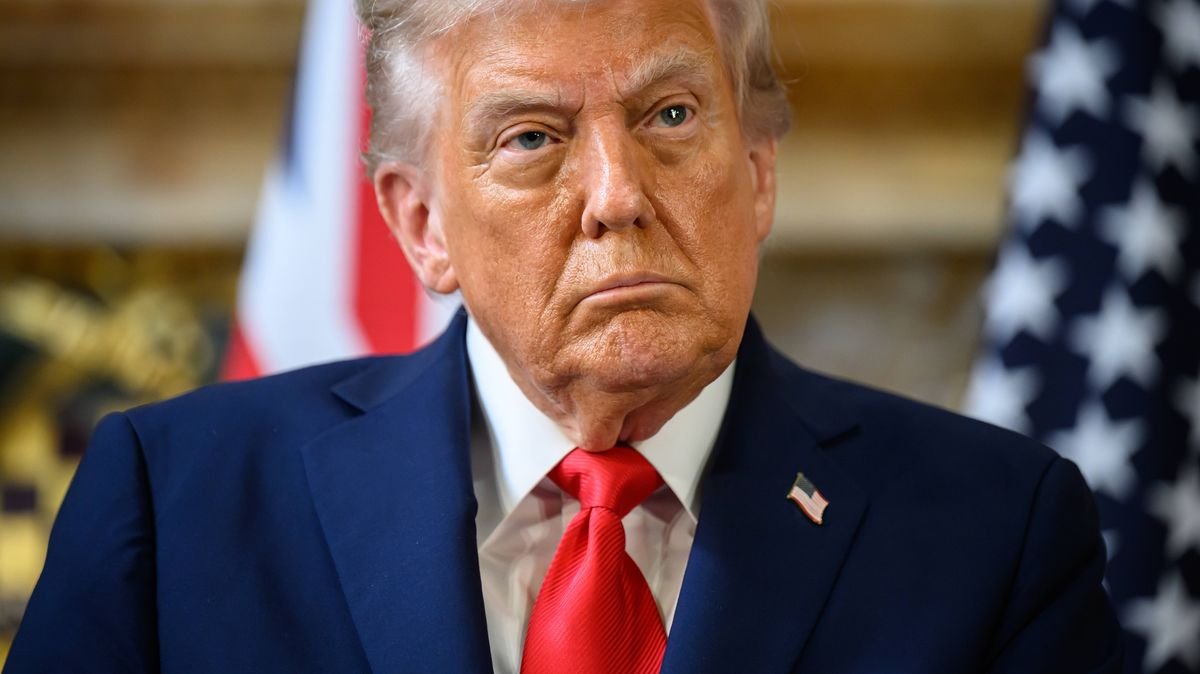

The actions of the Trump administration have raised concerns about who could be targeted next. Immigrations and Customs Enforcement (ICE) has faced criticism globally, yet received unwavering support from the Trump government, leaving many wondering about their safety.
Recent arrests of journalists, including former CNN anchor Don Lemon and Emmy award-winning reporter Georgia Fort, have raised questions about press freedom. Lemon and Fort, who were covering an anti-immigration protest, were arrested by FBI agents in connection with their reporting on the event.
The arrests took place in Minnesota, where two individuals were fatally shot by ICE agents, leading to widespread protests and debates on federal law enforcement tactics. Despite being released, Lemon and Fort have vowed to continue reporting as tensions escalate in the state.
US Attorney General Pam Bondi accused the journalists of participating in a “coordinated attack” on a church, but Lemon and Fort, through their legal representatives, maintain they were only present as journalists, not protesters.
In a show of solidarity, Lemon called on journalists worldwide to support each other, a sentiment echoed by prominent Black British public figures in an open letter. The letter highlighted the challenges Black journalists face when covering issues related to state power, racism, and injustice.
Critics argue that Trump’s actions targeting Black reporters could lead to broader attacks on journalists from all backgrounds. His dismissal of critical reporting as “fake news” has influenced global political discourse, with some media outlets facing legal battles or compromising journalistic integrity to appease him.
As technology allows more individuals to capture and share real-time information, the media landscape is evolving rapidly. It is essential for all to advocate for justice and accountability, as journalists play a crucial role in serving the public interest and holding those in power accountable.