


For years, women have been disregarded and dismissed by doctors when seeking help for severe menstrual pain and heavy bleeding. Many women suffer from conditions like endometriosis or fibroids, yet medical professionals frequently fail to identify these issues.
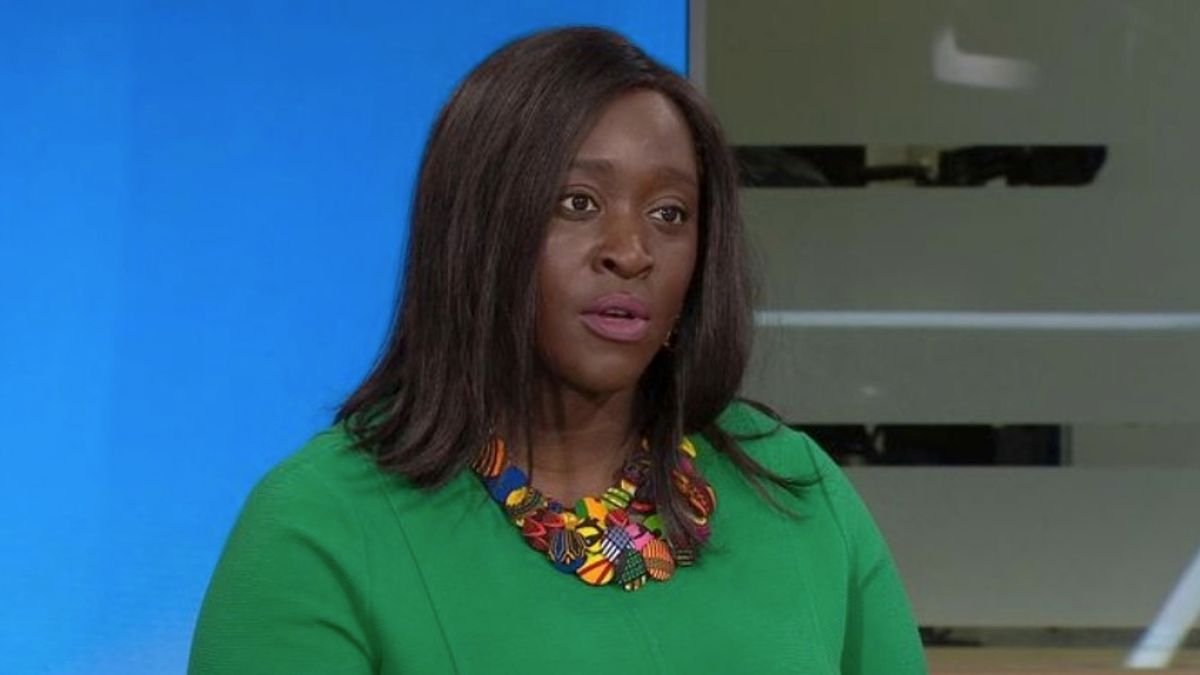
A recent survey conducted by a concerned individual aimed to gather experiences from women. The feedback revealed distressing accounts of a lack of awareness, repeated misdiagnoses, and a concerning lack of urgency in addressing women’s health concerns.
Statistics show that one in ten women have endometriosis, affecting women across all spheres of society. However, the diagnostic process can drag on for years, with current average waiting times surpassing nine years and four months. Alarmingly, the waiting period extends to eleven years for Black women and women of other ethnic backgrounds, reflecting a system marred by both sexism and racism within the healthcare sector.
If one in ten men faced similar health challenges, it is likely swift action, support, and research funding would follow. Unfortunately, women dealing with these conditions often endure excruciating pain, societal stigma, and a lack of viable treatment options.
Personal accounts from the survey underscore the struggle many women face in obtaining a proper diagnosis and treatment. Stories of desperation, ignorance, and immense suffering paint a grim picture of the healthcare system’s shortcomings in addressing women’s health issues promptly and effectively.
Despite these challenges, there is a glimmer of hope as awareness around these conditions grows, thanks in part to public figures and impactful media representations. Initiatives like including menopause questions in health check-ups and measures to reduce gynaecology waiting lists show progress in addressing these issues.
This International Women’s Day coincides with Endometriosis Action Month, serving as a call to action to break the silence and foster open conversations about gynaecological conditions. Advocates are pushing for faster diagnostic processes, enhanced medical training, and a shift towards more compassionate and proactive healthcare practices.
Efforts to combat endometriosis go beyond medical realms; they represent a quest for social justice, aiming to rectify historical injustices inflicted upon women. Prioritizing efficient, fair, and comprehensive treatment for endometriosis aligns with the core values of promoting women’s health and equality.