

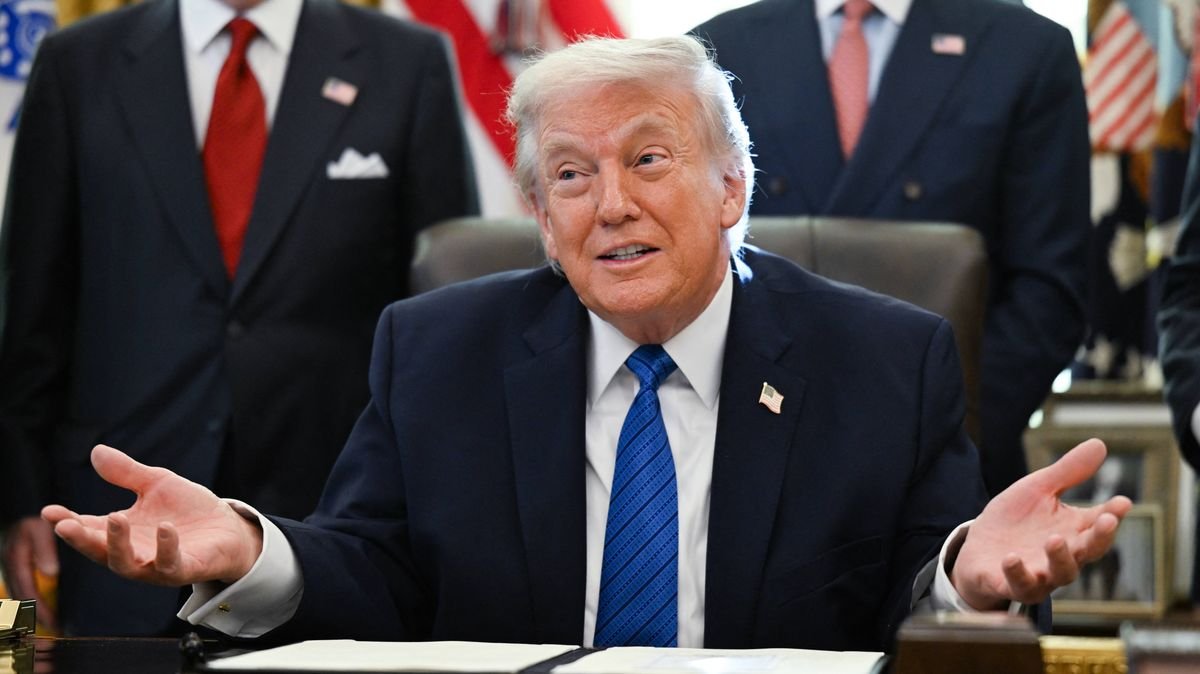

After his second inauguration in January 2025, Donald Trump made history by becoming the oldest person ever elected as US president. This achievement has led to discussions regarding the protocol in the event of a sitting president’s death while in office.
At 79 years old, Trump surpassed the previous record held by Joe Biden, who served as the oldest president during his term. The US Constitution, bolstered by the 25th Amendment, outlines the clear guidelines for presidential succession. In the event of a president’s death, resignation, or removal from office, the vice president immediately steps in as president, assuming all associated powers and responsibilities.
Vice President JD Vance would automatically ascend to the presidency and be sworn in promptly if such a scenario were to occur. Throughout US history, this process has transpired eight times, with vice presidents assuming the presidency following a president’s death, whether through assassination or natural causes.
Upon taking office, the new president holds the authority to retain or replace cabinet members. As the vice presidency would become vacant, the new president would nominate a replacement vice president in accordance with the 25th Amendment.
The nominee must receive confirmation through a majority vote in both the House of Representatives and the Senate. If Vance were to become president before turning 42, he would be younger than Theodore Roosevelt when Roosevelt assumed office at the age of 42 after President William McKinley’s assassination in 1901, making Vance the youngest president to ascend through succession.
While Roosevelt remains the youngest president to assume office, John F. Kennedy retains the title of the youngest person elected president. Additionally, the 22nd Amendment outlines presidential term limits, restricting an individual from being elected president more than twice and imposing specific regulations on succession scenarios.
In a recent health interview, Trump discussed undergoing a CT scan in October, clarifying earlier comments about a detailed MRI scan. He addressed concerns about his health, denying issues with hearing or falling asleep during White House events, expressing frustration at the public discourse surrounding his health.
Trump mentioned his prolonged use of aspirin, exceeding recommended doses for 25 years despite experiencing easy bruising. His physician, Navy Capt Sean Barbabella, confirmed the CT scan results ruled out cardiovascular issues, revealing no abnormalities. Trump’s decision to decline wearing compression socks for chronic venous insufficiency was noted, with the president opting for regular movement to reduce leg swelling.
Regarding cosmetic concerns, Trump acknowledged using makeup to conceal bruising and shared his improved habits to address swelling in his legs. Notably, Trump’s predecessor, Joe Biden, withdrew from the 2024 election race after concerns were raised about his age and mental acuity following a debate with Trump.
Consider Daily Mirror as your ‘Preferred Source’ on Google News for rapid access to the news that matters to you.