

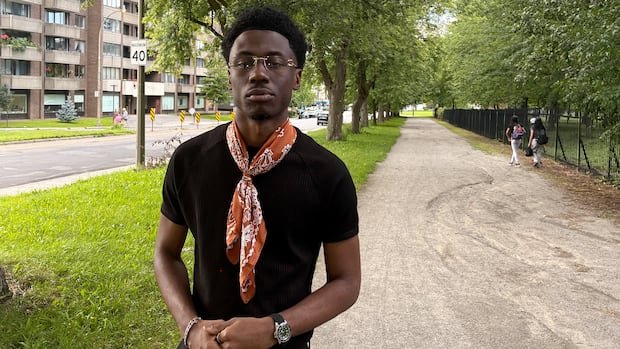

A journey back to Kinshasa this summer was anticipated as a reunion opportunity for Jonathan Likongo with his family following two years of residence and studies in Montreal. However, the Université de Montréal student opted to remain in Canada, fearing potential travel complications. Likongo mentioned, “I had planned to depart, but erred on the side of caution and stayed back.”
This decision proved wise as Canada implemented temporary restrictions in May, barring entry for specific foreign nationals from various central African countries due to the Ebola outbreak. Subsequently, in July, Canada escalated the restrictions by denying entry to foreign nationals who had visited the Democratic Republic of Congo (D.R.C.) within the past 21 days. These measures are scheduled to be upheld until Aug. 29.
According to Likongo, a member of the Congolese Students’ Association at Université de Montréal, the timing of these restrictions has posed challenges for students who had intended to travel during the summer break. He mentioned, “The outbreak coincided with the holiday season catching many off guard.”
Several universities in Quebec anticipate that hundreds of students may be impacted by these measures, affecting both current enrollees and prospective students. For example, Université de Montréal has 170 students from the D.R.C. or Sudan enrolled for the fall term, with an additional 182 students from these countries already in programs during the winter or summer sessions.
Université Laval disclosed having 240 students from the D.R.C., South Sudan, and Uganda, comprising 72 new admissions and 168 continuing students. Similarly, Université du Québec à Montréal reported around 100 affected students. These institutions are collaborating with students to navigate through the evolving situation.
Students stranded outside of Canada are eagerly awaiting clarity on the post-Aug. 29 scenario. Health Canada assured CBC that they are closely monitoring the Ebola situation and evaluating the measures in alignment with the latest evidence and international partnerships. The government will decide on the next course of action before the current measures potentially expire.
Likongo expressed disappointment over missing the opportunity to reunite with his family, stating, “My family, including my parents, were heartbroken as we had planned to meet this summer in Kinshasa.” He remains hopeful for a prompt resolution to the situation, adding, “We are optimistic that a solution will emerge soon, ending this crisis and allowing us to reunite with our families.”