

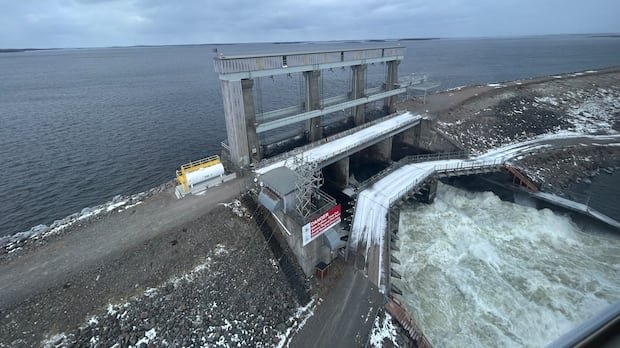

A recent agreement between Newfoundland and Labrador and Quebec regarding Churchill Falls is set to enhance energy production and distribution. Informants revealed that a memorandum of understanding is on the verge of being finalized, with an official announcement expected soon.
Under this new deal, Quebec is slated to receive approximately 10,000 MW of electricity, while Newfoundland and Labrador will secure a minimum of 2,350 MW, potentially reaching up to 3,000 MW. The arrangement entails a substantial increase in power supply for both provinces compared to the previous agreement. The boost in electricity generation will involve the development of a more potent hydroelectric plant at Gull Island and the enhancement of turbine capacity at the current Churchill Falls facility.
Furthermore, the updated agreement introduces wind power, a component absent in the previous memorandum. Although the pricing of electricity sales is anticipated to remain relatively stable, the inclusion of wind energy sets this deal apart. The specifics of the arrangement are still being ironed out.
Regarding the potential necessity of a referendum on the new deal, Minister Lela Evans refrained from commenting directly, emphasizing the positive impact the agreement could have on job creation and economic prosperity in the province. Local stakeholders, such as Labrador City Mayor Jordan Brown, expressed anticipation for the agreement, emphasizing the crucial role it plays in supporting energy-dependent projects in the region.
A notable provision in the revised deal guarantees transmission access of 985 megawatts through Quebec, enabling Newfoundland and Labrador to export excess electricity through Quebec’s network to external markets. This newfound market access is seen as a favorable development by stakeholders like Mayor Jordan Brown.
Consultant Gabe Gregory, who previously reviewed the 2024 MOU, highlighted the importance of an independent review for the new agreement. He stressed the significance of public involvement in decision-making processes concerning resource development. Meanwhile, supporters of the previous MOU, like Ben Oates from Friends of Renewable Churchill Energy, noted similarities in the new deal and emphasized the need for constructive negotiations without unnecessary delays.
As the region awaits further details on the finalized MOU, stakeholders remain cautiously optimistic about the potential benefits it may bring. Despite the positive outlook, concerns about political influences and potential discrepancies in reported details persist, urging a thorough examination of the agreement once unveiled.