

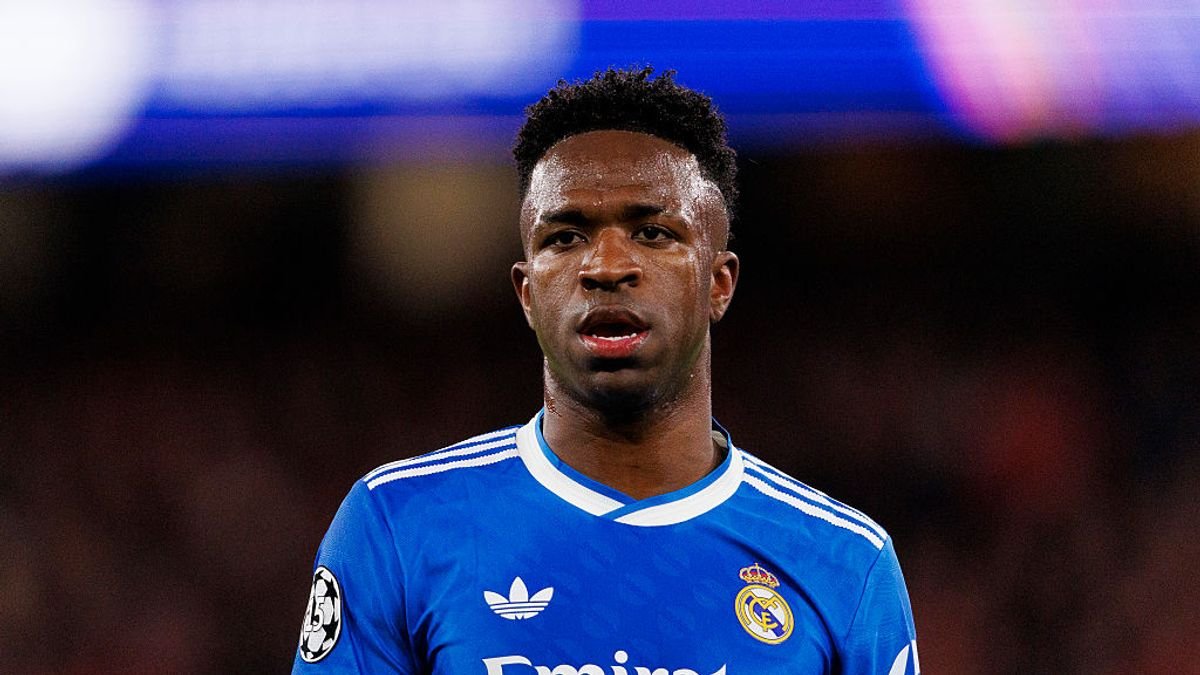

Tomorrow, Real Madrid’s Brazilian player, Vinicius Junior, is poised to participate in the esteemed Champions League competition against Benfica, a Portuguese team. This match marks the second leg of the knockout stage encounter. Following an incident in the previous game where Vinicius accused Benfica’s player, Gianluca Prestianni, of racially abusing him, UEFA has taken action by suspending Prestianni for the upcoming match based on the testimony of Vinicius’ teammate, Kylian Mbappe.
Vinicius has been vocal about racism encountered as a Real Madrid player, with this being the 20th reported instance. Feeling unsupported by referees and officials, he has taken it upon himself to address the issue. Despite facing criticism and accusations from various quarters, including players, managers, officials, and media, Vinicius remains steadfast in his fight against racism in football, aiming to raise awareness and effect change.
While some in the football community have tried to undermine Vinicius’ stance, citing various reasons, he continues to push forward with his mission. Even with the emotional toll evident during a press conference, Vinicius remains resolute. His actions have sparked discussions among players in England contemplating similar steps, reflecting a growing sentiment within the sport.
The response to Vinicius’ stand against racism has been met with widespread condemnation, prompting introspection within the industry. Despite claims that racism in football is a societal issue, the lack of decisive action and accountability remains a point of contention. The reluctance of current players to speak out, influenced by various parties within the football ecosystem, highlights the need for individual initiatives like Vinicius’ to drive change and encourage others to follow suit. Football, it seems, is at a crossroads in addressing long-standing issues of discrimination and prejudice.