
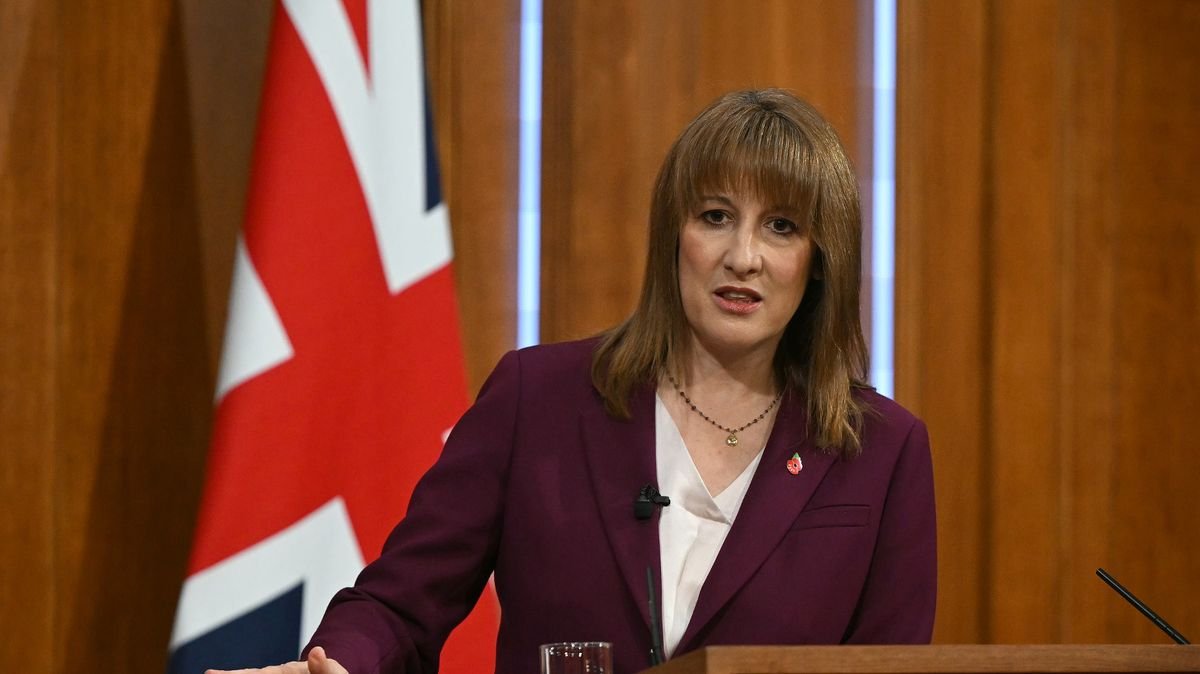

Leading up to the upcoming Budget in three weeks, Rachel Reeves made a significant move to prepare the ground. While lacking specifics, her announcement was crucial given the broader context at this point.
Contrary to the perception that last year’s tax-raising Budget was a one-off event for the Chancellor, it now appears that more tax increases are on the horizon. Reeves’ address to the public indicated the likelihood of further tax hikes, potentially breaking promises made in the party’s manifesto.
Reeves seems to be taking a gamble, suggesting that additional tax contributions are necessary for the country’s well-being, public services, and financial stability. The success or failure of this approach could shape the outcome of the upcoming general election and have long-term implications.
Although the Chancellor avoided direct references to the election in her speech, the discourse in recent weeks has been increasingly focused on this matter. By delivering her speech just weeks before the election, she paved the way for what seems to be another challenging Budget. The emphasis appears to be on tax increases rather than extensive spending cuts, with a commitment to avoiding a return to austerity measures from previous Tory administrations.
Labour’s manifesto was clear in its pledge not to raise taxes on working individuals, which included commitments regarding National Insurance, Income Tax rates, and VAT. However, recent developments have altered the economic landscape, leading to potential shifts in tax policies to meet financial demands.
The debate now centers on potential adjustments to Income Tax rates, which play a significant role in government revenue. Speculations suggest that a modest increase across various tax bands could generate substantial additional funds. However, the historical reluctance to adjust the basic tax rate poses a challenge, given the long-standing tradition in tax policy.
Experts indicate that even a small adjustment in tax rates could have notable financial implications for individuals across different income brackets. For instance, a 2% increase in the basic rate could result in varied additional tax burdens for taxpayers at different salary levels.
Furthermore, proposals to modify National Insurance rates and Value Added Tax are under consideration, with potential impacts on household finances and overall inflation levels. These changes, if implemented, could have far-reaching effects on the economy and consumer spending patterns.
Amidst the ongoing discussions, the focus remains on addressing key cost pressures faced by families, particularly in areas such as energy and food expenses. Potential adjustments in VAT rates and energy bill taxes aim to alleviate financial strains on households and stabilize living costs.
Various other tax-related measures are being speculated upon, including potential revisions to pension relief policies and gambling duties. These deliberations reflect the complex balancing act required to manage tax revenues effectively while ensuring minimal adverse effects on different sectors of the economy.