



Your shopping cart is loaded. You’ve selected your items. The checkout button is ready. You hit “place order” — and then, silence.
No delivery driver is on the way. No charges are made to your credit card. No packages are waiting on your doorstep. And that’s exactly the intention.
A fresh trend of faux shopping websites is providing individuals with the excitement of shopping without the financial burden, as younger consumers, mindful of their budgets, seek to limit impulsive purchases.
The movement initially emerged in South Korea, where some individuals turned to these simulated shopping platforms to replicate the joy of buying something without the economic repercussions, especially in light of rising living expenses and a consumer-driven culture.
Currently, this concept is gaining traction worldwide. Whether it’s “purchasing” daily necessities, filling a virtual cart with apparel, or pretending to order takeout, websites like DopamineCart, FakeEats, DopaHaul, and FakeHaul are mimicking the typical online shopping practices without any actual deliveries.
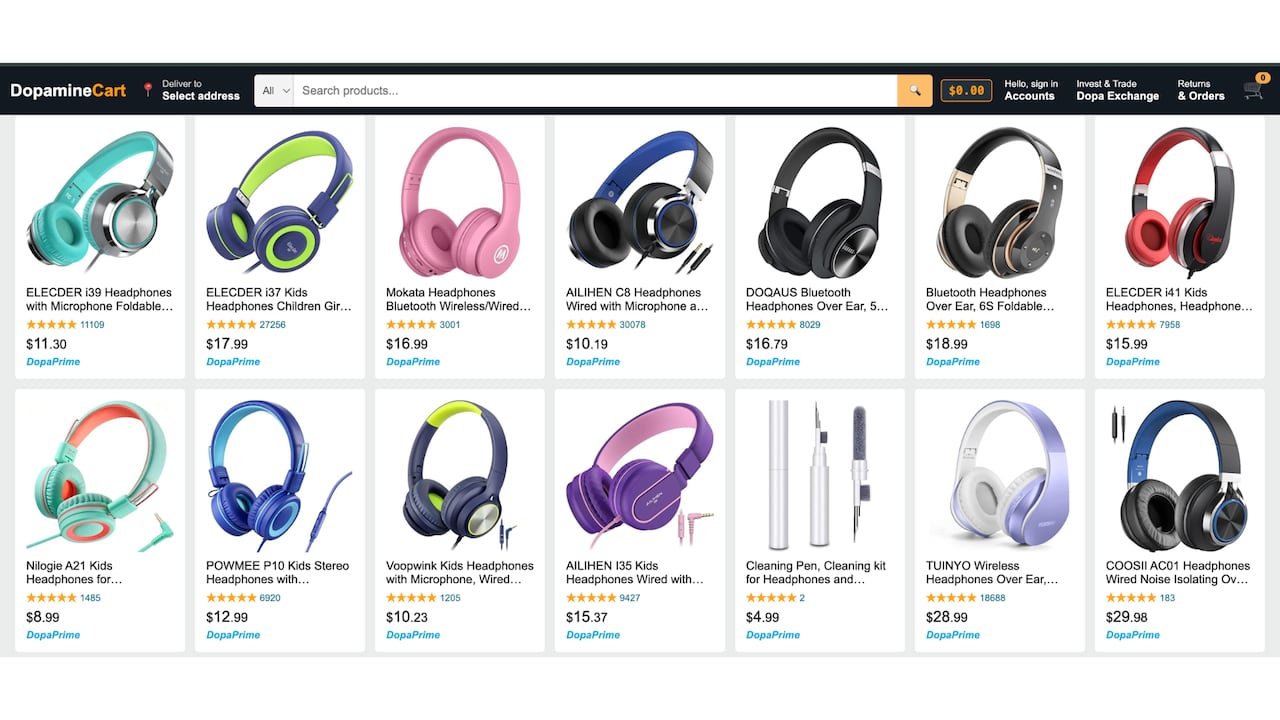
Platforms like DopamineCart imitate Amazon, enabling users to explore and ‘purchase’ nearly anything. (CBC)
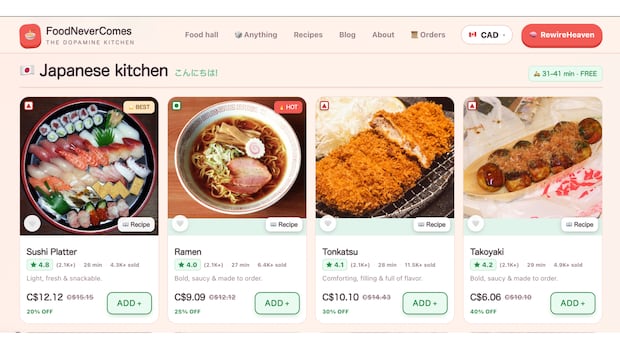
One notable instance is FoodNeverComes, a fictitious food delivery platform that launched in late June and has drawn around 92,000 active users in the past three months, according to co-creator Anshul Sharma. Users can fill their carts with food and beverages, proceed through a simulated checkout, and track their order being processed on a virtual map as it is “delivered.”
Sharma and his co-creator Purvansh Parmar, who are based in Udaipur, India, report that their self-funded, ad-free platform has logged approximately 1.1 million interactions.
According to Sharma, the United States constitutes its largest user demographic, followed by China, the United Kingdom, and Vietnam, with Canada ranking third or fourth.
For Parmar, this initiative is particularly relevant. He acknowledges having faced challenges with excessive food delivery orders, spending as much as 20,000 rupees ($200.70) per week until he recognized he was trapped in a cycle of compulsive spending for convenience.
“It was just so convenient, you would ‘click-click-click,’ and the food would arrive,” he said. “You convince yourself you like the food, but ultimately, that’s not the real reason.”
To assist users in breaking the online shopping habit, the duo also shares recipes to inspire people to prepare meals at home instead of ordering takeout.

Anshul Sharma (left) and Purvansh Parmar (right), both aged 26, are software developers who created the platform to help individuals reflect on their shopping behaviors and what motivates their purchases. (Submitted by Anshul Sharma and Purvansh Parmar)
The psychology of the shopping cart
Rhia Catapano, an assistant professor at the University of Toronto focusing on consumer behavior and psychology, states that online shopping simulators can stimulate “the same areas of our brain as the actual activity would.”
This is particularly appealing to budget-savvy young individuals.
“Like engaging in a video game or fantasizing about a vacation you’ll never actually take, we can visualize an item,” she remarked. “In some respects, it provides us with similar psychological rewards.”
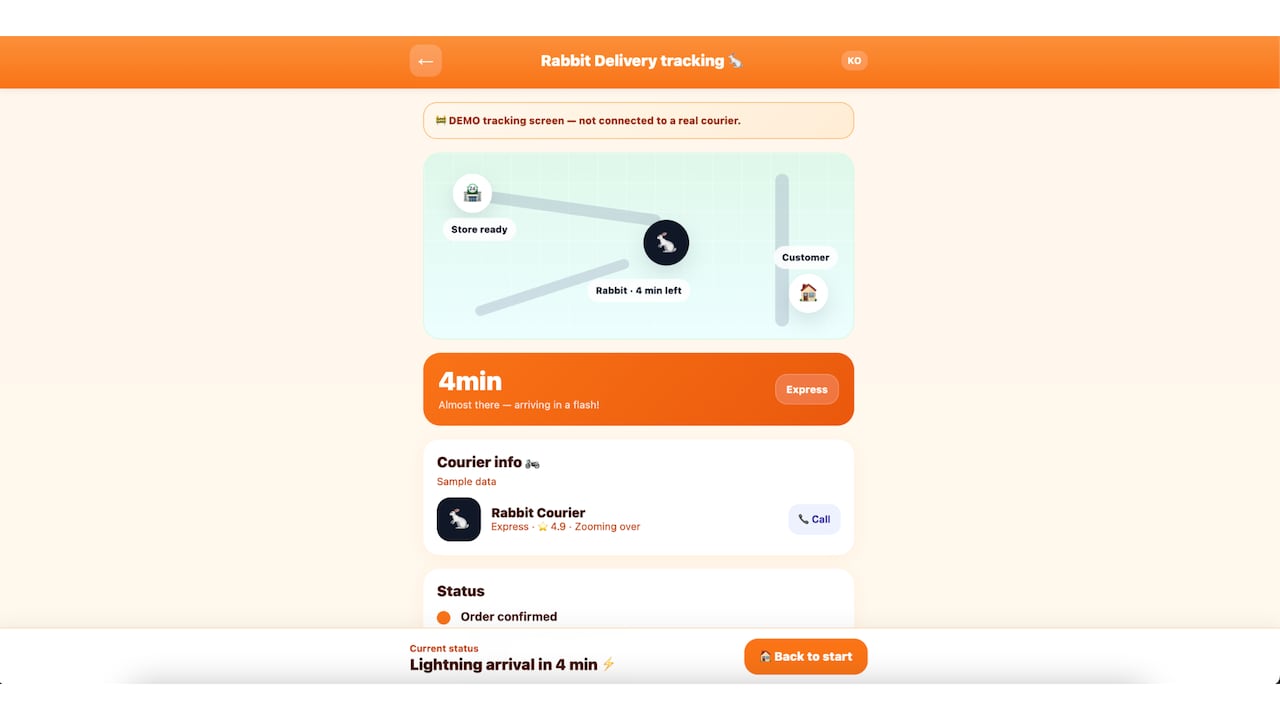
Fake shopping platforms like the South Korean site FoodNeverArrives enhance the simulation by displaying a fictitious courier picking up the order and delivering it to your doorstep. (CBC)
However, whether these websites are genuinely beneficial depends on the motivations behind their use, Catapano explains.
They could be advantageous for someone attempting to substitute unaffordable or undesired purchases but may not be effective if used as an escape from negative feelings.
Ajay Shrestha, a professor at Vancouver Island University specializing in internet safety and youth, warns that individuals should be cautious about entering personal data on these platforms.
“When something is amusing, engaging, gamified, or intentionally designed to feel without consequences, people tend to let their guard down,” he stated.
Shopping without environmental repercussions
The Imaginair store, which went online in late March, offers a range of items from clothing and footwear to accessories. Users can explore, add products to their carts, and complete a simulated checkout.
However, intertwined with this familiar experience are messages about the environment, such as a pair of sweatpants described as “Protect the planet, in comfort,” and a leather belt featuring the tagline “To reduce consumption, just tighten your belt.”
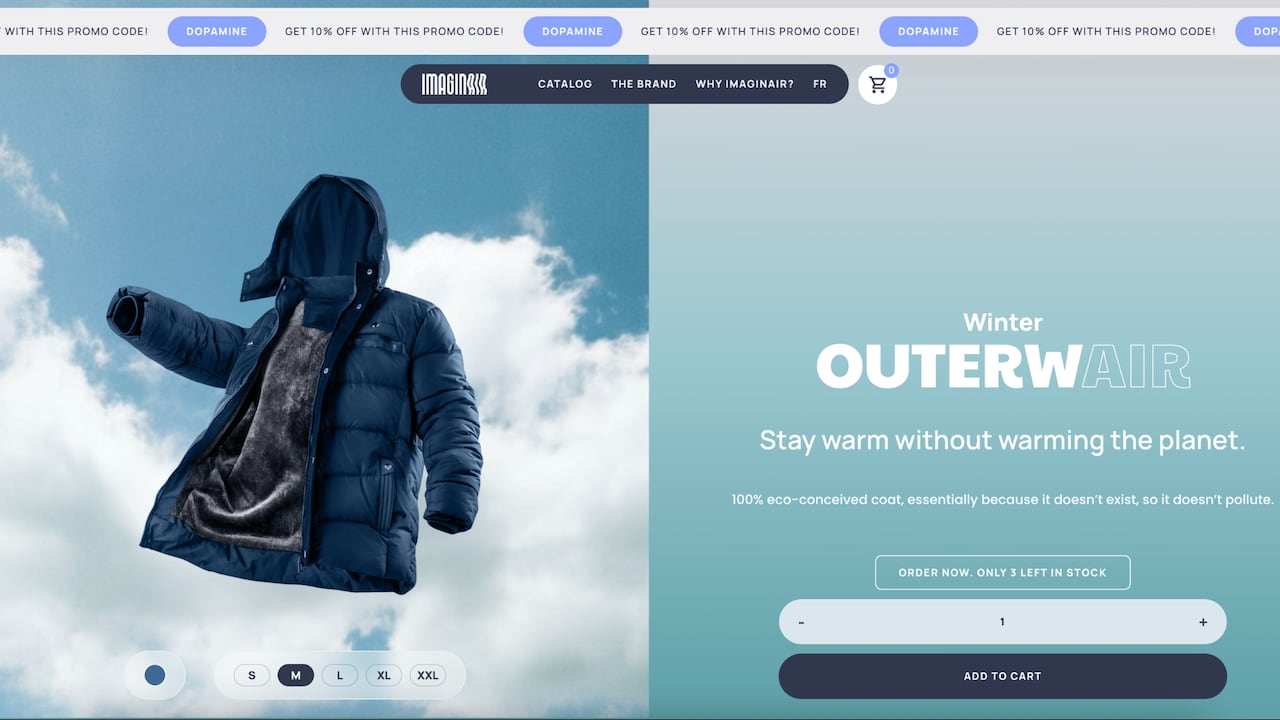
As part of its initiative against overconsumption, Earth Day Canada leveraged the trend of fake shopping sites, inviting visitors to browse and “shop” for products accompanied by environmental messages. (CBC)
Yves Gauthier, operations and mobilization manager at Earth Day Canada, states that the website aims to raise awareness about the ecological consequences of online shopping, as part of an Earth Day initiative.
Reflecting the extent to which consumer culture has permeated society, the campaign proved successful, drawing around 30,000 visitors, with approximately 7,000 individuals spending “more than a minute exploring the pages and clicking on items.” About half of these users, he notes, proceeded to complete the simulated purchase process.
Gauthier highlights that platforms like Temu, Amazon, and Shein have simplified the process of purchasing nearly anything at the touch of a button, contributing to a culture of overconsumption.
The site, he explains, emphasizes the environmental toll of mass production, excessive packaging, and pollution from transportation, while encouraging visitors to pause before making a new purchase.
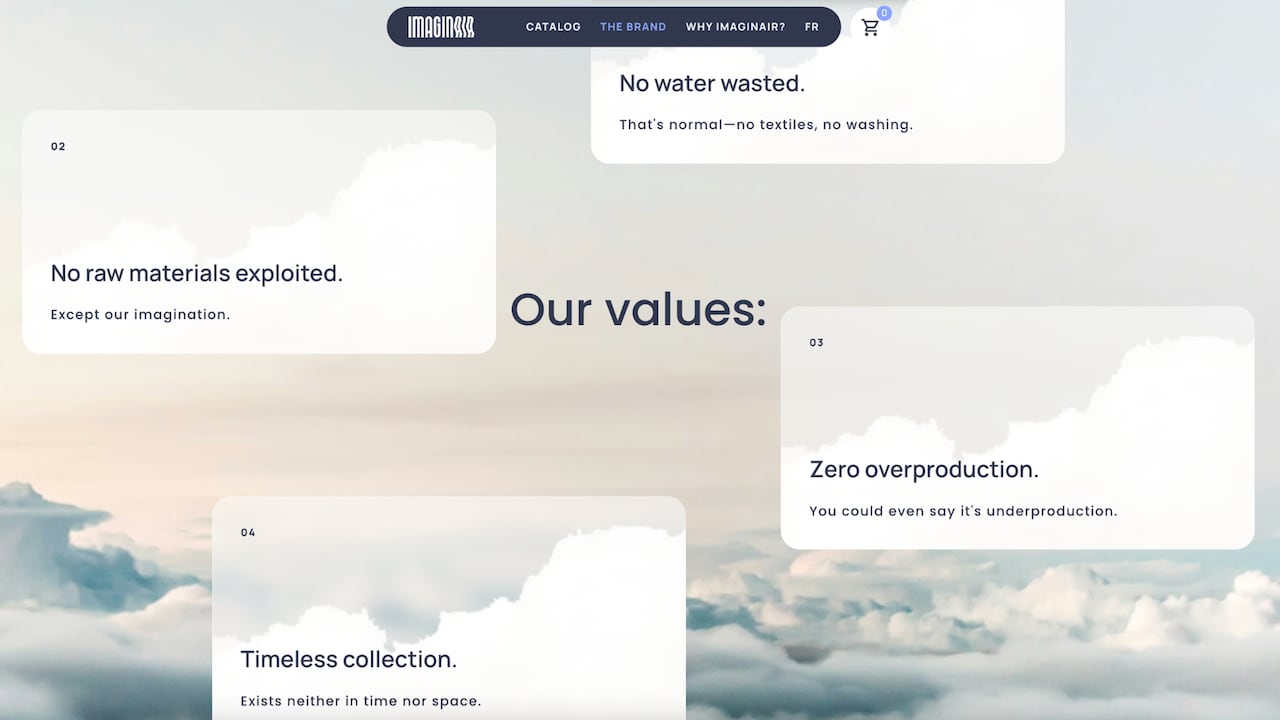
The Imaginair platform also provided educational resources on actions individuals can take to lessen overconsumption and aid in protecting the planet. (CBC)
Users are encouraged to contemplate alternatives like purchasing second-hand items, swapping goods with neighbors, or repairing possessions they already have.
According to the Global Footprint Network, if the global population consumed at the same rate as the average Canadian, we would require the equivalent of 4.49 Earths to sustain that level of consumption.
A potential way out of the cycle?
The rapid rise in popularity of these sites, Catapano notes, illustrates how deeply ingrained consumerism has become in everyday life, with individuals willing to invest time and energy in browsing and “shopping” even when they are aware that no tangible products will ever arrive.
Nonetheless, she perceives a glimmer of resistance.
Some individuals, she observes, are coming to realize through these platforms that their shopping behaviors are not beneficial and are seeking ways to consume less and make more deliberate choices.
“They understand that their current actions aren’t positively impacting them, so they are striving for change.”