


A group of five former chairs from a panel advising the federal government on endangered species has penned an open letter expressing worries about proposed modifications to the Species At Risk Act. They claim that the changes could result in the deliberate extinction of endangered species in Canada. Over 600 species are currently protected under this legislation, and the suggested amendments are deemed to undermine the effectiveness of the act, rendering it “meaningless.” The former chairs, who were part of the Committee on the Status of Endangered Wildlife in Canada (COSEWIC), sent the letter to the government last month. COSEWIC is an independent body that evaluates species at risk of extinction and recommends their inclusion under the endangered species law.
The scientists chose to make their concerns public to prevent Canadians from inadvertently contributing to the extinction of Canadian wildlife species. The letter coincides with the government’s deliberation on extensive changes to environmental regulations, including the Species At Risk Act, to expedite the approval and construction of major projects.
One of the ex-COSEWIC chairs, David Green, a biologist and retired professor at McGill University, criticized the proposed alterations, particularly the elimination of “jeopardy tests.” These tests prevent projects that could harm species and their habitats from being approved if they jeopardize their survival, serving as critical safeguards for endangered species.
The proposed revisions would grant the government the authority to establish “federal economic zones” for pre-approving industrial development and expedite the approval process for pipelines deemed in the national interest, bypassing federal impact assessments. Bill C-5 currently allows fast-tracking of projects considered in the national interest, including their environmental assessments.
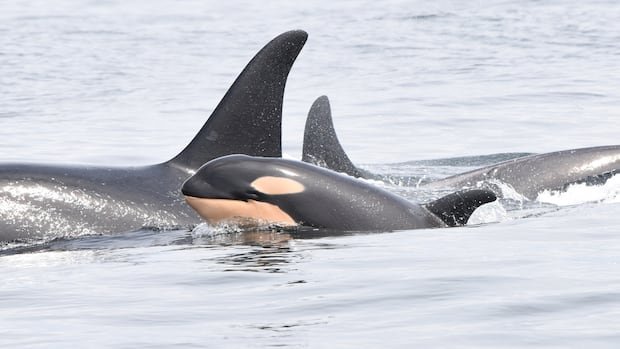
The letter specifically mentions a new West Coast oil pipeline, which is under consideration as a project of national interest. This pipeline, if approved, could pose a significant threat to various species protected under the act, such as the southern resident killer whale and the Chinook salmon, their primary food source. Both species and their critical habitats are located in the Salish Sea, where the proposed pipeline would terminate.
Expressing shock, Green criticized the Liberal government for proposing these changes, considering the significance of the Species At Risk Act, which was established by a Liberal government 25 years ago. Kathryn Harrison, a UBC professor specializing in climate and energy politics, highlighted the unprecedented nature of the government’s actions, emphasizing the potential implications of Bill C-5 and other proposed changes.
Despite the scientists’ open letter, the government has not responded to their concerns. The government stated its commitment to species conservation and meeting obligations under the Species at Risk Act, attributing the need for changes to expedite projects that boost the economy and reduce dependence on U.S. trade amid ongoing trade tensions. The government plans to release a report on public feedback before the summer ends, with formal legislation expected after Parliament resumes in September. Green warned the government to reconsider its stance, emphasizing the irreversible consequences of species elimination in Canada.