

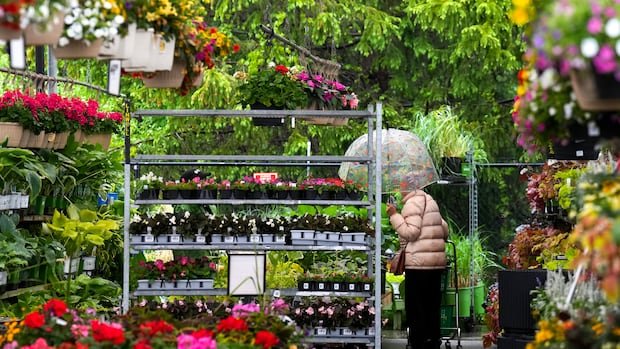

Canadian municipalities are taking action to prevent the sale of invasive plants in local garden centers amidst a nationwide push for a unified approach to regulating the horticultural trade. The presence of invasive plants poses a threat to biodiversity across the country, prompting local governments to address gaps in the current regulatory framework, which varies between jurisdictions. Canada has set a target of reducing the introduction and establishment of known invasive species by at least 50% by 2030.
The Canadian Coalition for Invasive Plant Regulation (CCIPR) is advocating for the establishment of a federal regulatory body for the horticultural industry and the creation of a national database that identifies invasive plants and their associated risks in different regions. Co-founder of CCIPR, Cathy Kavassalis, emphasized the importance of informing the public about potential harm posed by invasive plants, drawing parallels to existing regulations on other products.
While the Canadian Food Inspection Agency (CFIA) oversees some invasive plants under the Plant Protection Act, individual provinces and territories have their own legislation for invasive species control. The CFIA highlighted that their approach is centered on species-specific risks rather than a blanket prohibition on all plants deemed invasive across all regions. They emphasized the collaborative nature of invasive plant management, involving cooperation among federal and provincial authorities, municipalities, industry stakeholders, and invasive plant organizations.
Several Canadian cities have taken steps to restrict the sale of invasive plants, with Nanaimo and Surrey implementing bylaw amendments to regulate plant sales. London’s environmental committee recommended that retailers selling invasive plants provide information to customers during the sale process. Kavassalis expressed concern that the issue is being decentralized to municipalities, resulting in fragmented solutions that may not effectively address the problem.
Advocates are urging the federal government to address the horticultural trade to meet the 2030 target of reducing invasive species. Studies have shown that non-native ornamental plants are a significant pathway for introducing invasive plants, with plant nurseries potentially contributing up to 80% of introductions. A national database could provide crucial information on invasive plant risks, facilitating informed decisions by provinces, territories, retailers, and gardeners.
Horticulture expert Jim Hole emphasized the willingness of garden centers to support efforts in preventing the spread of invasive plants, highlighting the economic feasibility of removing invasive species from their offerings. He stressed the importance of research, regulation, and public education in controlling unwanted plants, emphasizing the significant benefits of preventing the introduction of even a single invasive species.
Native plant advocate Lorraine Johnson underscored the influence of nurseries in promoting non-native plants and their impact on biodiversity. She highlighted the importance of native plant gardens in supporting pollinators and ecosystems. Kavassalis emphasized the role of regulating garden centers in raising public awareness and combating “plant blindness,” encouraging a deeper appreciation for the interconnectedness of plants in the natural world.