

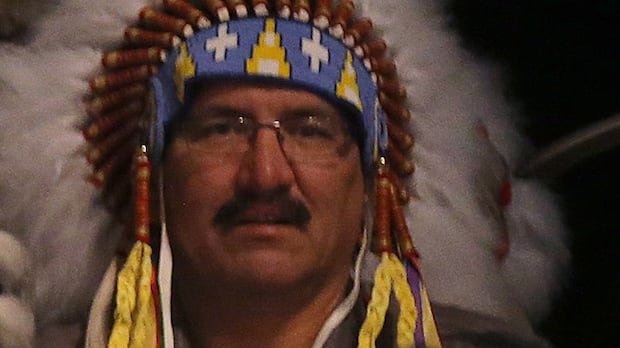

The Canadian Human Rights Tribunal has determined that a former chief of the Alexander First Nation engaged in sexual harassment towards an employee for almost a decade. Kurt Burnstick, the ex-chief of the First Nation situated approximately 55 kilometers northwest of Edmonton, was previously cleared of criminal charges in 2017 related to his interactions with the complainant.
In a ruling issued on July 31, the Canadian Human Rights Tribunal concluded that Burnstick’s actions amounted to sexual harassment. The former employee had lodged two separate complaints with the Canadian Human Rights Commission in 2016, which were later combined into a single inquiry by the tribunal in September 2018.
One complaint was directed at Alexander First Nation, while the other specifically named Burnstick as the individual respondent. The complaint against Alexander First Nation was resolved, with the commission’s approval of the terms in January 2021, while the complaint against Burnstick proceeded to a hearing.
The woman, who worked for Alexander First Nation from 2000 to 2016, alleged that Burnstick, who served as a band councillor and later as chief during the relevant period, sexually harassed her. Allegations began in 2006, with the woman claiming that Burnstick engaged in flirtatious and sexual behavior, including unsolicited physical contact and making inappropriate comments.
The woman stated that the harassment escalated after Burnstick became chief in 2014. She recounted numerous instances of unwanted touching and inappropriate behavior by Burnstick, which she estimated to be between 50 and 100 incidents from 2006 to 2015.
The situation culminated in an alleged incident at the First Nation’s office on October 28, 2015, where Burnstick was accused of making unwanted advances towards the woman. The tribunal found the woman’s testimony to be credible and ultimately ruled in her favor.
Despite finding the complaint substantiated, the tribunal did not order Burnstick to provide additional compensation to the complainant, citing legal limitations due to Alexander First Nation’s previous settlement with the woman. The woman had already received compensation through the settlement, although it did not imply an admission of liability.
The tribunal highlighted the significant power imbalance between Burnstick, a political leader within the First Nation, and the woman, whose livelihood and security in the community depended on maintaining a professional relationship with him.