

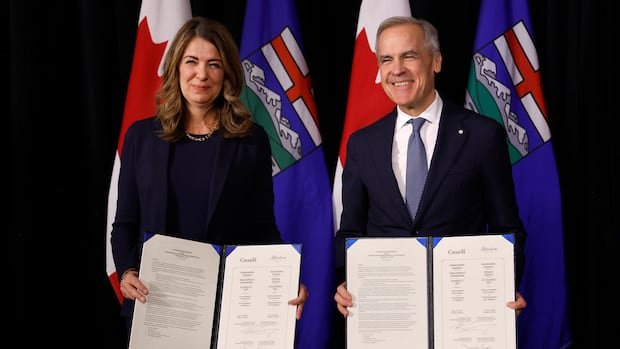

A collective representing numerous First Nations in British Columbia is urging the governments of Ottawa and Alberta to cease their efforts in advancing the West Coast pipeline, citing concerns that expanding the oil industry will hasten climate change and related disasters.
In a letter addressed to Prime Minister Mark Carney and Alberta Premier Danielle Smith, the Union of British Columbia Indian Chiefs emphasized that the repercussions of expanding fossil fuel production go beyond individual territories. They highlighted the current impacts of climate change, such as wildfires, floods, and rising sea levels, asserting that each new fossil fuel project exacerbates the crisis.
The plea was made following the B.C. government’s declaration of a state of emergency due to over 100 wildfires raging across the province. One particularly severe fire prompted the evacuation of nearly 25,000 individuals from two communities east of Vancouver, with almost half of the wildfires remaining uncontrolled.
The Indigenous group reinforced their opposition to the pipeline by publishing the letter on the International Day of the World’s Indigenous Peoples, emphasizing that the lack of genuine consultation and cooperation with First Nations by the government is a key concern.
According to the group, the government has already laid out the project’s corridor, identified potential development partners, and is actively promoting its economic viability. They argued that meaningful consultation is impossible if First Nations are only invited to discuss the implementation of a predetermined project.
In response, Karah Folk, spokesperson for Alberta’s Ministry of Indigenous Relations, stated that the project offers long-term benefits for Indigenous communities, who will be engaged as the project progresses. The government remains committed to ongoing dialogue with all partners involved.
Both Carney and Smith’s offices did not provide immediate comments in response to the letter.
The proposed 1,250-kilometre West Coast pipeline aims to transport more than one million barrels of crude oil daily from Bruderheim, Alberta, to a port near Delta, British Columbia, for international export. The Alberta government is listed as the project’s proponent, with ownership shared among Trans Mountain, the Alberta Petroleum Marketing Commission, and Pembina Pipeline Corp.
Last week, Ottawa took a step towards designating the project as being of national interest under the Building Canada Act, potentially expediting the pipeline’s progress and bypassing certain environmental regulations. Public feedback on the designation will be accepted until mid-September.
The government has stipulated that the pipeline’s approval is tied to a carbon storage initiative named Pathways, which aims to prevent emissions from increased oil production. Pathways involves a pipeline network transporting carbon emissions from various sites in northern Alberta to an underground storage hub near Cold Lake, Alberta.
The West Coast pipeline is one of several projects falling under Carney’s Major Projects Office, established in Calgary, with the intention of strengthening Canada’s autonomy, providing economic benefits, honoring Indigenous interests, and aligning with Canada’s climate change objectives.
The Building Canada Act outlines the regulatory framework for these projects, with previous approvals including the Grays Bay road and port project in Nunavut, the Mackenzie Valley Highway in the Northwest Territories, and the Nuclear Waste Management Organization’s repository in northern Ontario.