


Health authorities fighting the Ebola crisis in eastern Democratic Republic of Congo are employing de-identified mobile phone data to track population movements and pinpoint regions at risk for potential virus spread, as reported by the World Health Organization (WHO) and collaborating researchers.
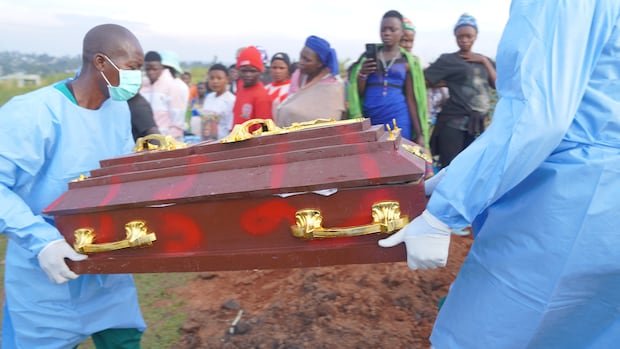
This innovative strategy, a first in Ebola response efforts, is being utilized in response to the ongoing struggle to contain what the WHO has labeled as the fastest-growing Ebola outbreak to date. The outbreak has reached six provinces, with over 6,250 individuals infected and 3,039 fatalities recorded since its declaration on May 15, according to the latest official figures.
This outbreak, the 17th in Congo, is caused by the Bundibugyo strain of Ebola, for which no approved vaccines or treatments exist.
As the virus continues to propagate, health officials are exploring methods to predict potential outbreak areas and efficiently allocate limited surveillance and response resources.
Olivier Le Polain, the head of epidemiology and analytics for response at the WHO Health Emergencies Programme, emphasized the crucial role of population movements in the current epidemic. By analyzing mobility data, responders can identify risks in geographically distant but interconnected regions beyond traditional outbreak hotspots.
The use of mobile phone data is facilitated by Swedish non-profit Flowminder, which analyzes anonymized records generated when mobile subscribers connect to telecommunication networks. These records help estimate travel patterns between different areas as individuals move around the country.
Flowminder ensures the anonymity of individuals in the data it receives from Vodacom, Congo’s largest telecom operator. This data is crucial in predicting how infectious individuals move and, consequently, how the virus may spread.
Initial research by Flowminder focused on areas where the outbreak originated, emphasizing travel patterns from these locations. Subsequent analysis revealed significant flows of travelers to neighboring regions, all of which eventually reported confirmed Ebola cases.
To enhance response efforts, Flowminder expanded its analysis to other affected areas, identifying potential travel destinations from outbreak hotspots. Notably, the analysis highlighted the risk posed to Kisangani, a vital transport hub connecting eastern and western Congo, prompting proactive measures to contain potential outbreaks.
Recent studies have underscored the connectivity between Kisangani and other regions, emphasizing the risk of spread to Kinshasa and neighboring countries. The WHO continues to emphasize the risk of the outbreak reaching Kinshasa, estimating a 70% likelihood of a case being detected there by the end of September.
While the analysis provides valuable insights, it currently relies on data from a single telecom operator, limiting the scope to movements within Congo. Efforts are underway to secure agreements with other operators to expand coverage and access more comprehensive data for improved response strategies.