

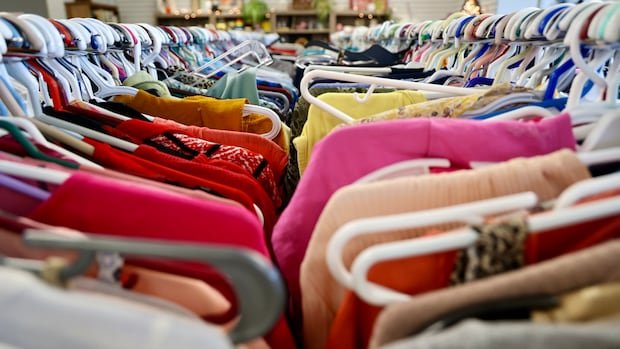

Kathy Broussard reveals a large pile of plastic bags filled with donated textiles, estimating it to be an eighth of the recent contributions her store has received. The store’s basement and two oversized donation bins outside are also brimming with items on a daily basis.
According to Broussard, the influx of donations is constant, requiring her staff and volunteers to diligently sort through the items for sale. Unsold garments are transferred to free bins for public access, and anything left after a day is disposed of in the dumpster, a practice she hopes to avoid due to environmental concerns.
Several charity thrift stores, including Hand in Hand, are grappling with the challenge of finding buyers for their surplus clothing. Broussard has been actively seeking alternatives since February but has faced difficulties. The increasing frequency of dumpster pickups, coupled with associated fees, is impacting the charity’s financial sustainability and environmental goals.
Textile circularity consultant, Charlotte Genge, highlights the nationwide issue faced by charity thrift stores in disposing of unsold stock. She predicts a surge in textiles ending up in landfills if a solution is not found soon.
The National Diabetes Trust, responsible for supporting Diabetes Canada through clothing donations, has temporarily halted pickups from thrift stores in five provinces due to changing market conditions. Value Village, a key buyer for non-profit collectors, has shifted its focus to collecting goods on behalf of charities rather than purchasing in bulk from them.
Steven Bethell of Bank & Vogue, a major exporter of used clothing in Canada, acknowledges the challenges in the market. He emphasizes the need for proactive solutions to address the escalating volume of donated garments.
Genge suggests government intervention through policies like extended producer responsibility and mandated use of recycled content to tackle the issue. She emphasizes the importance of reducing garment consumption to alleviate the strain on the thrift industry and promote sustainable resource management.