

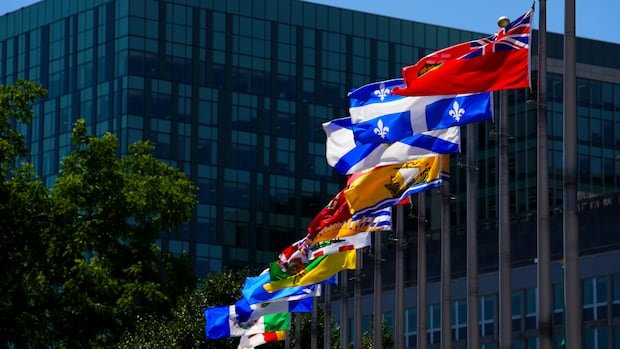

Canada is facing pressure to reduce trade barriers internally after failed negotiations with the United States. Enhancing interprovincial trade has gained momentum recently, with nine provinces agreeing to permit direct-to-consumer alcohol sales across borders. However, challenges persist in streamlining sales processes, as some provinces impose additional fees and regulations, complicating trade for producers. Jeff Guignard, CEO of Wine Growers British Columbia, criticized the current system, highlighting the impracticality of double wholesale markups and the need for wineries to register in multiple provinces to ship products.
The potential economic benefits of eliminating internal trade barriers are significant. The International Monetary Fund estimates that dismantling these barriers could increase Canada’s real GDP by up to seven percent in the long run, equivalent to about $210 billion. Despite a more conservative projection by CIBC of a one percent GDP boost, efforts to address these barriers are considered valuable.
Federal and provincial officials convened in Iqaluit to advance the vision of a unified Canadian economy by addressing trade impediments. Initiatives included facilitating the flow of services nationwide, standardizing approval processes for construction materials, and enhancing food trade accessibility. Stakeholders like Corinne Pohlmann from the Canadian Federation of Independent Businesses welcomed the renewed focus on removing provincial obstacles, emphasizing the need for practical implementation and monitoring of agreements.
Efforts to identify and eliminate hidden trade barriers are underway, with experts like Wolfgang Alschner from the University of Ottawa leveraging artificial intelligence to analyze regulations across Canada. Alschner emphasized the complexity of the regulatory landscape and advocated for a harmonized set of rules to promote smoother trade operations. Despite progress in mutual recognition of regulations between provinces, the ultimate goal remains a unified regulatory framework to facilitate seamless trade interactions.