

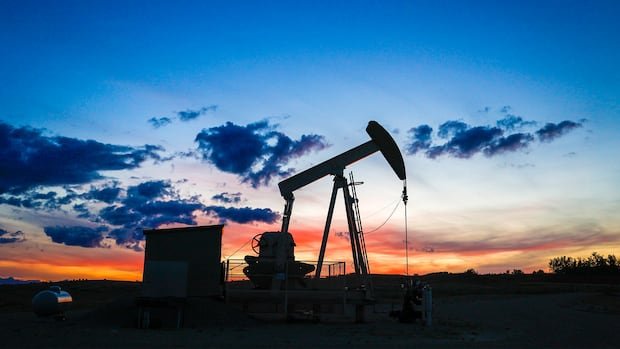

Alberta’s finance minister has pledged to maintain a cautious approach despite a significant improvement in the province’s budget outlook fueled by high oil prices. Instead of facing a projected $9.4-billion deficit as predicted a few months ago before the conflict with Iran, Alberta is now expecting a $2-billion surplus for the current year.
Jason Nixon emphasized that the budget windfall should not be seen as a free pass for increased program spending. He remains mindful of potential geopolitical challenges in the oil sector and trade tensions between the U.S. and Canada, which could introduce further economic volatility.
The revised surplus projection is based on an assumption that oil prices will moderate, averaging around $73.50 US per barrel for the fiscal year. However, if prices continue to remain high, the surplus could potentially grow by several billion dollars. Alberta plans to focus any additional spending on supporting businesses affected by tariffs and providing energy rebates to residents.
While the surge in oil prices has bolstered the province’s revenues, it has also led to higher gasoline and diesel prices, impacting residents’ cost of living. Despite the surplus, Alberta has refrained from reducing its fuel tax this year and instead offered a direct rebate to individuals. The government aims to streamline the application process for future rebate programs in collaboration with the Canada Revenue Agency.
The opposition NDP has called for more support to address the rising cost of living in the province. NDP Leader Naheed Nenshi urged the government to consider offering relief on the fuel tax, increasing savings in the Heritage Fund, and investing in essential infrastructure projects. Nenshi emphasized the need for a more diversified economy to reduce reliance on fluctuating oil revenues and better support Albertans facing financial challenges.
The surplus resulting from the oil price surge underscores the ongoing affordability issues in Alberta, highlighting the importance of responsible financial planning and strategic investments to ensure long-term economic stability.