



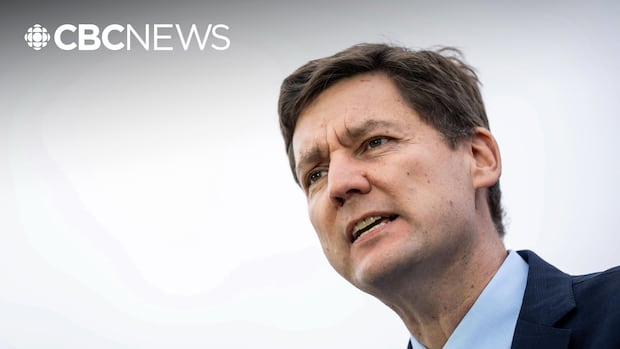
British Columbia Premier David Eby announced that his administration would back Canada’s retaliatory actions following a rise in tensions in the U.S.-Canada trade conflict.
During a news briefing on Saturday, Eby indicated that British Columbia is likely to experience a disproportionate impact from the newly imposed 50 percent tariffs on select products.
He claimed that the proposed U.S. agreement exposes the “true intentions” of the White House regarding its demands from Canada.
Eby stated, “The idea that Canada would refrain from trading with other nations or scale back our trade with them … would reduce us to the economic status of the 51st state.”

He also stated that the province would not allow U.S. alcohol products back onto store shelves until there are significant alterations to the U.S. softwood lumber tariffs.
Eby mentioned that further retaliatory measures could be taken and that “all available options” in this “economic conflict” are being considered for B.C.
The new 50 percent tariffs imposed by U.S. President Donald Trump on a variety of Canadian goods came into effect last night after trade discussions collapsed unexpectedly.
Prime Minister Mark Carney indicated that Canada withdrew when the U.S. sought to implement “last-minute modifications” to the proposed agreement.
“They demanded too much while offering too little,” Carney remarked, noting that Canada would respond to U.S. tariffs on a “dollar-for-dollar” basis starting September 8.
Carney also pledged federal assistance to businesses impacted by the U.S. tariffs.
“We will provide support to these businesses for as long as necessary, meaning even beyond the duration of this U.S. administration,” Carney stated.
B.C. businesses face significant challenges
Salt is among the products affected by the new U.S. tariffs, raising concerns for the Vancouver Island Sea Salt company.
Owner Scott Gibson noted that approximately 20 percent of the company’s income is derived from the U.S. market.
He expressed, “Our business will be impacted if this situation persists over the coming months.”
“To prepare for this, we have significantly increased our inventory levels in the U.S. market as a precaution.”
British Columbia is the most affected province in Canada regarding the new tariffs.
The products facing tariff threats account for more than 13 percent of the province’s total exports to the U.S., surpassing all other provinces, particularly in wood and paper products.
“British Columbia consists largely of small and medium enterprises, which typically lack the capacity or resources to manage such substantial tariffs,” commented Bridgitte Anderson, president and CEO of the Greater Vancouver Board of Trade.
“There are emerging estimates suggesting that tens of thousands of jobs may be lost throughout Canada, with a significant portion of those in British Columbia if these tariffs are implemented.”
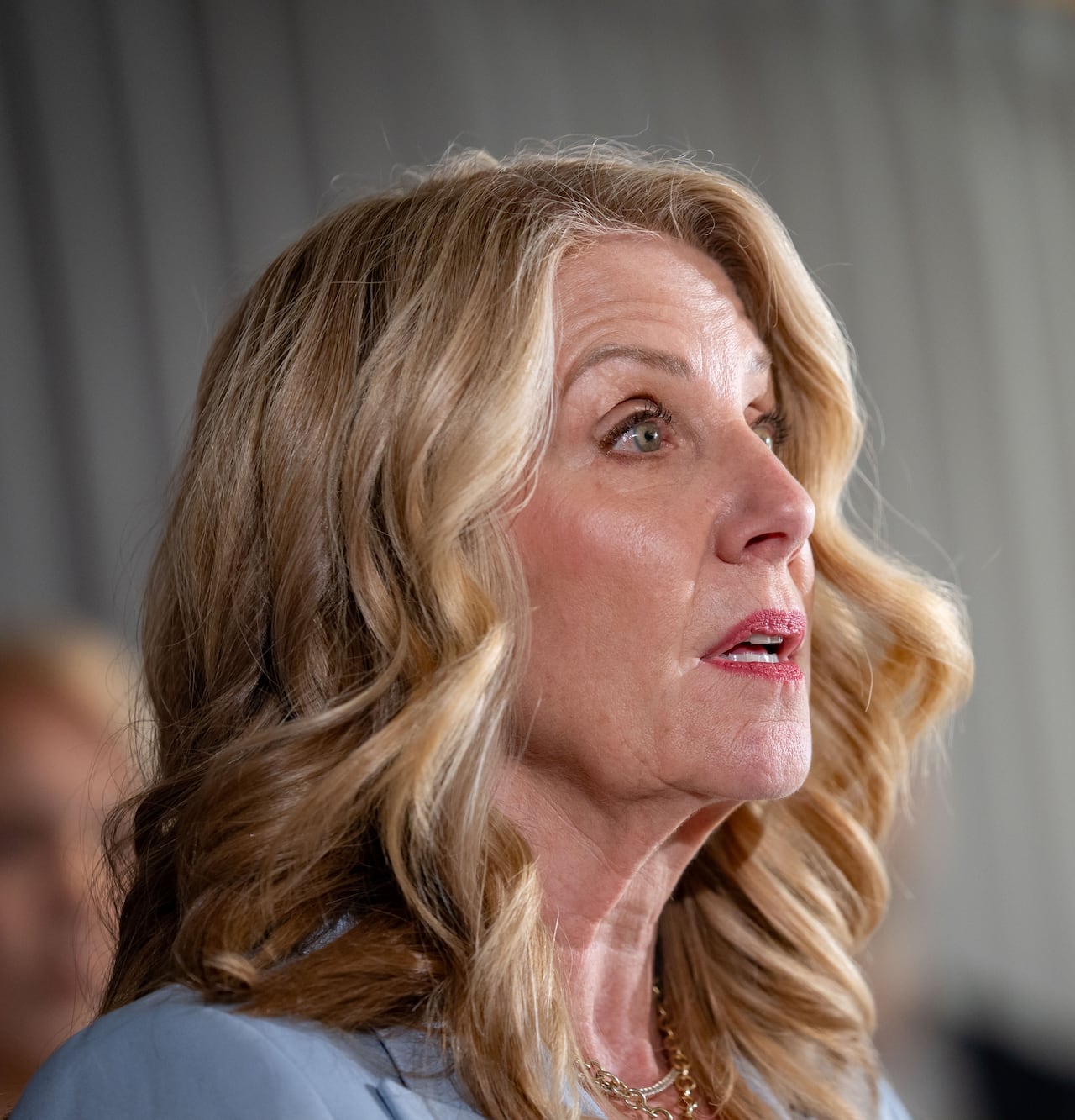
Bridgitte Anderson, CEO of the Greater Vancouver Board of Trade, indicated that if the tariffs take effect, tens of thousands of jobs could be at risk. (Ethan Cairns/CBC)
Anderson expressed optimism for the resumption of trade negotiations but emphasized that immediate federal assistance for businesses needs to be a critical aspect of the discussion.
She pointed out that the ongoing dispute highlights the necessity for long-term diversification of trade with other markets.
The provincial government’s data reveals that 51 percent of B.C.’s exports in 2025 were directed to the U.S., a decline from 54 percent in 2023.
Over half of these exports consisted of wood, pulp and paper, mineral, and energy products.
Gibson remarked that the new tariffs serve as a reminder of the significance of purchasing Canadian products.
“We possess the world’s longest coastline, yet many people still opt for imported sea salt,” he stated.
“There is substantial potential for Canadians to embrace local sea salt, which may help mitigate losses in the U.S. market if an agreement cannot be reached.”