


Enzo Ferrari once remarked, “If you ask any child to draw a car, they’ll depict a red one.” Sofia Valente Pierini embodied this sentiment during her childhood.
“Each Sunday when we visited, my maternal grandfather, Nonno, would have his small tube TV from the early 2000s set up on the kitchen counter,” she remembered. The Formula One Grand Prix was always on, and Valente Pierini’s gaze would instinctively follow the Ferraris.
In 2025, Lewis Hamilton, her favorite driver, donned the legendary red uniform for the first time, and by June 2026, he secured his inaugural Grand Prix victory as a Ferrari driver.
“Being a fan of both Hamilton and Ferrari has been emotionally challenging,” Valente Pierini confessed. Since 2022, she’s been creating F1 content under the username @formulasofia, much of which reflects the ups and downs of supporting Ferrari. “Witnessing him on the top step of that podium was incredible; it felt like a homecoming.”
Valente Pierini represents a new wave of content creators reshaping the F1 media landscape for a younger and more diverse audience—one that might have previously connected with the sport through a faded Ferrari flag in their grandfather’s living room.
In conjunction with the immensely popular Netflix show Drive to Survive, user-generated content is engaging a fresh F1 audience, similar to how radio once attracted fans to baseball and hockey.
-
Transforming F1: How female and Gen Z fandom is shaping the sport’s future
-
COMMOTION
Why we’re still watching Formula 1: Drive to Survive, 8 seasons in
Different sports suited to different media
Each new form of broadcasting technology has characteristics that make them particularly well-suited to specific sports. According to Stacy Lorenz, vice dean at the University of Alberta’s Augustana Campus and a professor focused on the sociology and history of sports, F1’s online presence is the latest example of media synergy propelling a sport to cultural prominence.
For instance, Lorenz pointed out how radio transformed baseball into America’s pastime and firmly established hockey within Canadian culture. The sequential nature of baseball lent itself well to radio’s play-by-play and color commentary.
“The pauses that allow for storytelling between pitches? It really complements that narrative style,” he explained.
In a similar vein, Lorenz observed that dynamic sports like basketball and football flourished on television, benefiting from multi-camera setups that captured action across the entire field.
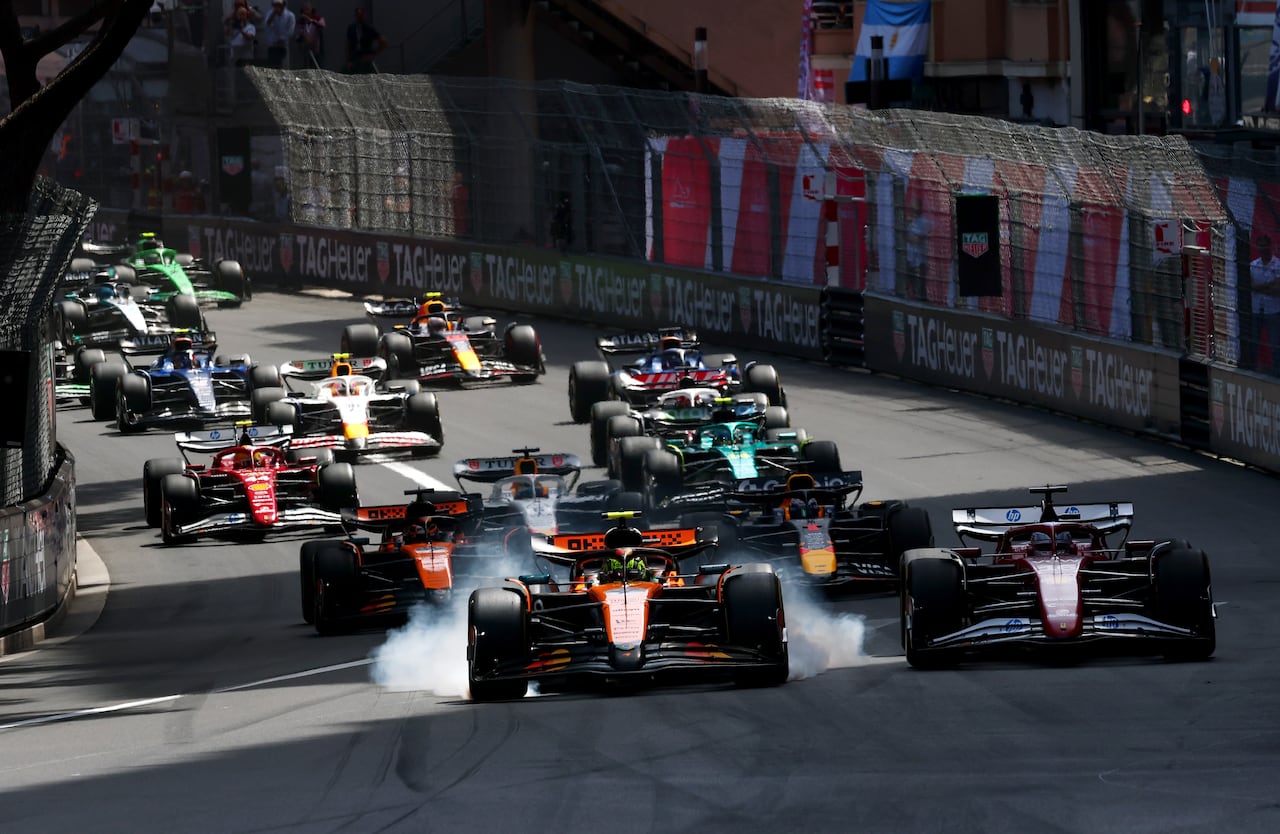
A thrilling lap at the 2025 Monaco Grand Prix. With a limited number of drivers competing simultaneously, fans find F1 to be an accessible sport. (Getty Images)
In Lorenz’s perspective, F1’s engagement with short-form video and streaming represents the next logical progression in this history. He highlights the significance of the “placeless consumer,” referring to fans who aren’t geographically tied to a sport, unlike, for example, a Leafs supporter residing in Toronto.
“I believe F1 epitomizes the most advanced form of that experience today,” he remarked. “You can enjoy these sports live no matter where you are, along with the surrounding culture, storylines, and narratives through various media.”
New ownership, new ideas
James Hinchcliffe, a former IndyCar racer who hosts the podcast Off Track with Hinch and Rossi and offers commentary for F1TV, asserts that everything shifted with Liberty Media’s acquisition of F1 in 2017.
“With Liberty’s takeover, there was an eagerness to embrace the online and digital aspects of the sport in a way that had previously been absent in Formula One,” he stated.
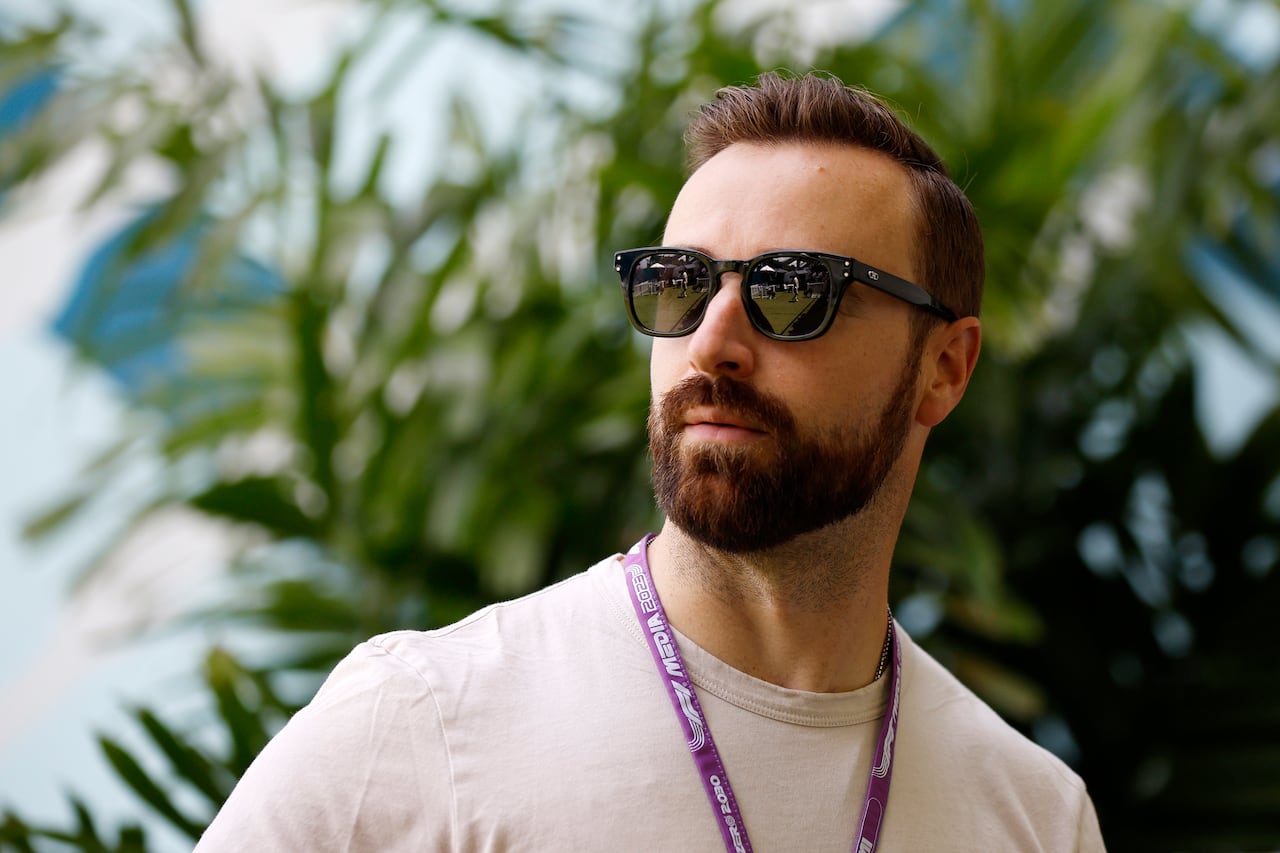
James Hinchcliffe, a former IndyCar racer who provides commentary for F1 TV, believes that a change in ownership ushered in a new era for F1 media. (Getty Images)
According to Laurel Walzak, an associate professor at Toronto Metropolitan University’s School of RTA Sports Media, Liberty’s acquisition initiated a significant transformation within the sport.
“It’s reminiscent of what hockey accomplished 10 or 15 years ago, recognizing that to familiarize people with the sport, they needed to take the helmets off the players,” Walzak explained, citing initiatives like walk-in cameras at arenas and in-game bench or locker room interviews. “Formula One has excelled in this regard on social media.”
-
Why F1 racing is set to become the next big fashion show
-
COMMOTION
Why we’re still watching Formula 1: Drive to Survive, 8 seasons in
Hinchcliffe points out that Drive to Survive illustrated how effortlessly fans could follow F1 drivers as a cast of characters, similar to following reality TV personalities. With just 22 drivers competing in every race weekend, placing cameras in the paddock ensures a steady stream of content.
“You’ve got significant egos and larger-than-life personalities—all ideal ingredients for a successful reality show,” he noted.
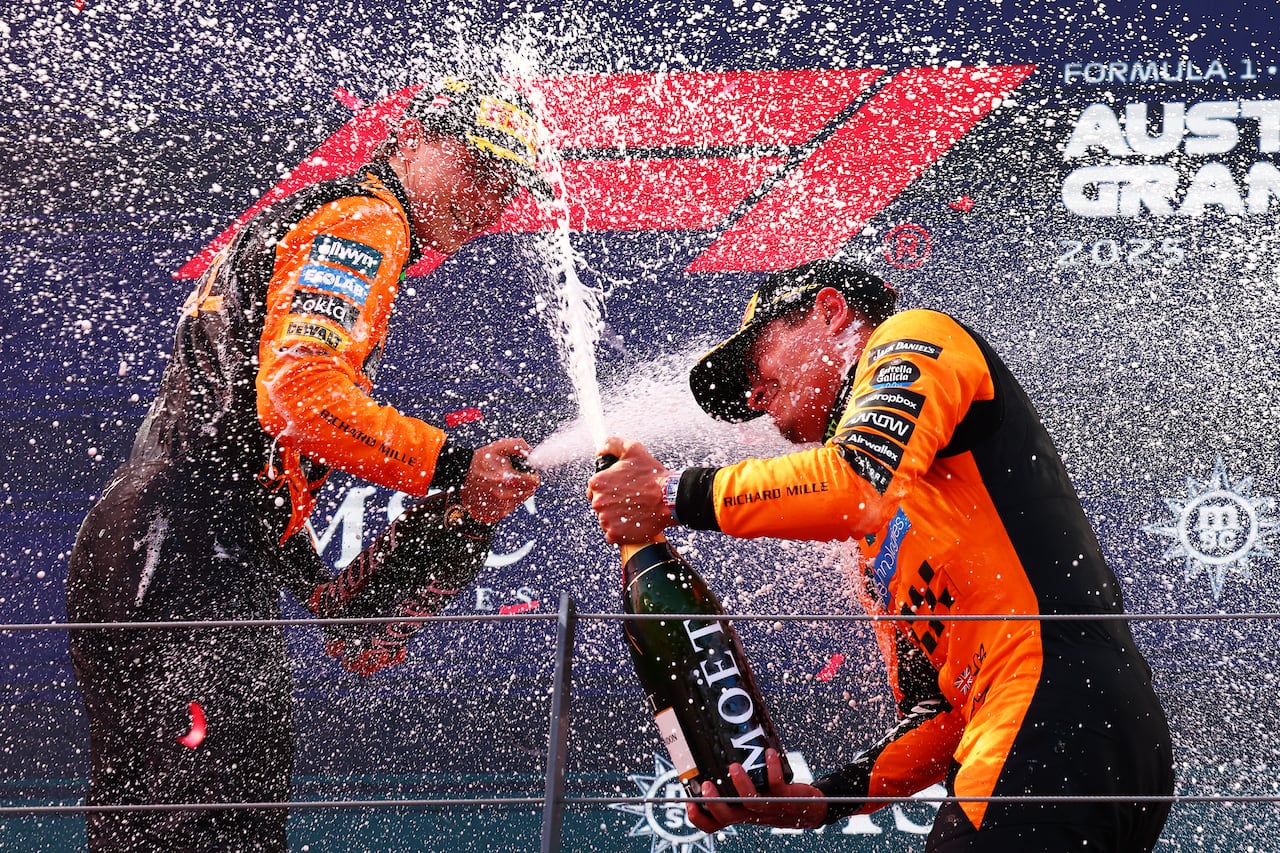
McLaren teammates Oscar Piastri and Lando Norris celebrating a ‘McLaren One-Two’ at the 2025 Austrian Grand Prix. Hinchcliffe believes F1 drivers fit the bill for the characters that engaged audiences seek. (Getty Images)
Online content a big draw for fans
Valente Pierini describes F1 as a tightly-knit sport, with many drivers being lifelong friends who began competing together in junior racing leagues as children.
“The content landscape is filled with drama among them,” she stated. “Yet, at its core, there’s something truly beautiful about the community.”
Cadence Willie, who shares F1 content with over 80,000 followers on Instagram as @cadencebraking, notes that F1-focused corners of the internet allow fans to further customize their experiences, honing in on the sport’s aspects that resonate most with them.
“It’s safe to say that the Netflix bubble has burst,” Willie stated, emphasizing that the content generated in social media spaces is equally enticing for new fans as Drive to Survive.
With every F1 car outfitted with multiple cameras and team radios, creators have an extensive array of footage to draw from, allowing them to cater to specific niches and expand on what Willie refers to as the various types of F1 lore, whether that be memes or notable relationships.
“Once you’ve grasped the fundamental information, it’s easy to take the next step,” Willie explained. “There’s truly something for everyone.”
Valente Pierini aspires for the new wave of digital accessibility in the F1 realm to make the sport more affordable as well. Despite living in a Grand Prix city and being an F1 content creator, she finds it challenging to afford tickets.
“It has always been such a glamorous sport, and now there are young individuals and fans from all over tuning in,” she expressed. “I wish it were more accessible to the general public.”