

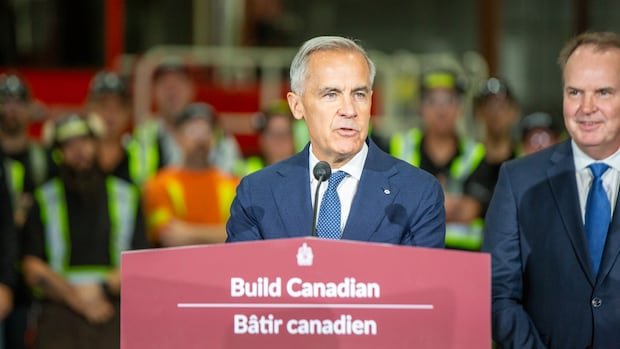

Prime Minister Mark Carney has pledged increased funding for early wildfire warning and detection systems as Ontario grapples with its most severe wildfire season on record. During a visit to Thunder Bay, Carney highlighted ongoing investments in this area and emphasized the need for further measures.
The current wildfire season in Ontario has been deemed the worst in history, with the northwestern region bearing the brunt of the devastation. Over 2,800 individuals were displaced at the peak of the fires, impacting numerous communities. Among the areas affected were Namaygoosisagagun First Nation (also known as Collins First Nation) and Whitewater Lake First Nation, which were ravaged by wildfires.
Acknowledging the gravity of the situation, Carney stated that preparations are underway for the possibility of even more severe wildfire seasons in the future. He expressed gratitude to all those involved in firefighting efforts, including the Canadian Armed Forces and local communities.
Following a significant investment announcement in Via Rail, Carney visited the Thunder Bay Fire Management Centre to meet with wildland firefighters and learn about their experiences during this challenging season.
While Carney’s focus on enhancing passenger rail services was welcomed, Paul Berger from Citizens United for a Sustainable Planet criticized government spending on projects promoting fossil fuels, such as the Canada-Alberta pipeline deal. Berger emphasized the urgent need for stricter climate policies that not only combat climate change but also improve the lives of Canadians.
The federal government released findings from Canada’s Changing Climate Report, projecting a significant temperature increase by the end of the century. Berger stressed the importance of prioritizing climate action and urged collaboration on this critical issue.
Nishnawbe Aski Nation (NAN) highlighted the impact of climate change on critical infrastructure, particularly for First Nations communities with limited road access. The organization called for inclusive and ambitious investment in infrastructure to address the challenges posed by climate change. NAN Grand Chief Alvin Fiddler emphasized the need for Canada to prioritize First Nations’ interests in its climate and infrastructure initiatives.