

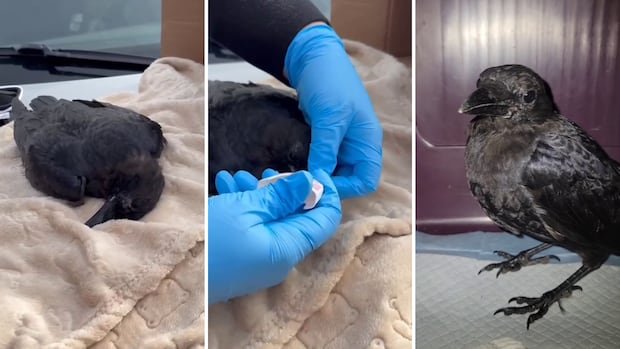

An animal welfare organization in downtown Prince George, B.C., is taking action to help crows suspected of ingesting toxic substances left out in the open. The Good Caws Crow Rescue Society (GCCRS) has shared several videos demonstrating their volunteers administering nasal naloxone to unresponsive crows, with the birds subsequently becoming alert and capable of flying again.
Dayna Slater from GCCRS explained that the crows they are assisting are concentrated in an area known for illicit drug activities. The organization has observed a significant increase in suspected drug overdoses among crows this year, surpassing the usual one or two cases annually, signaling a concerning trend.
Symptoms exhibited by affected crows include outstretched wings, closed eyes, slowed heart rate, and unresponsiveness, with some showing signs of brown liquid foam from their beaks. While some crows have unfortunately perished, most have been successfully released after recuperating within 24 hours.
Dr. Kaitlyn Liukaitis of Birchwood Veterinary Clinic, who has treated some of the affected crows, confirmed that the symptoms align with those of a toxic drug overdose. She noted the efficacy of naloxone in reversing these symptoms, highlighting its increasing use in veterinary care across various animal species.
The surge in toxicity within the illicit drug supply across British Columbia has prompted multiple public alerts. In Prince George, overdose incidents have spiked, resulting in a constant presence of sirens downtown where the affected crows are being discovered.
As harm reduction measures face political backlash, outreach groups emphasize the need for safe, indoor drug consumption spaces to prevent incidents like the unintentional harm caused to wildlife. Slater collaborates with harm reduction organizations to address the issue and suggests implementing covered garbage cans to prevent crows from accessing potentially harmful substances discarded outdoors.
The situation underscores the interconnectedness between human activities and wildlife, highlighting the need for responsible waste disposal practices to safeguard vulnerable animal populations.