

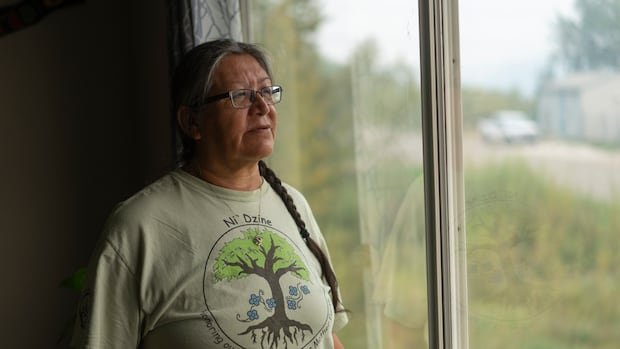

A prominent concern in Fort McKay is the prevalent dust pollution that blankets the community, mainly originating from nearby mines and industrial activities. Recent research published in Atmospheric Pollution Research highlights the disproportionately high levels of dust pollution in Fort McKay, often surpassing air quality regulations.
The study, led by University of Toronto PhD candidate Kristin Iorio and Alberta-based researchers, reveals that Fort McKay experiences intense dustfall events caused by coarse dust particles. These events go unnoticed by standard air quality monitoring methods, leaving the true extent of the pollution unclear.
During a 24-month sampling period, Fort McKay consistently exceeded Alberta Ambient Air Quality Guidelines for dustfall, with levels exceeding acceptable thresholds nearly 20% of the time. This suggests a pressing need for improved monitoring and regulatory measures to address the community’s dust pollution issue.
Researchers collected data using various methods, including dustfall buckets and ambient air quality tools, across different communities in the Wood Buffalo region. Fort McKay consistently recorded the highest dustfall volumes among the studied sites, emphasizing the need for specialized monitoring tailored to the community’s unique challenges.
The absence of specific regulations for larger dust particles (PM10) in Alberta poses a significant regulatory gap, allowing coarse particulate matter to go unmonitored. The study advocates for updated air quality objectives and enhanced monitoring strategies to accurately assess and mitigate the impact of dust pollution on public health.
Experts, including Professor Ke Du from the University of Calgary, echo the study’s call for continuous monitoring and revised air quality guidelines to address episodic industrial pollution effectively. The mismatch between existing monitoring practices and the nature of dust pollution underscores the urgency for comprehensive monitoring programs to safeguard community health.
While the Alberta Energy Regulator and Fort McKay First Nation declined to comment on the study, Alberta Environment officials acknowledge the importance of considering the findings in shaping future monitoring approaches and air quality objectives. Community-led initiatives like Fort McKay’s dust-monitoring program are crucial in addressing the persistent air quality concerns reported by residents and researchers alike.