


Canada’s initiative to construct a $267 million medical countermeasures laboratory in Winnipeg is viewed as a crucial step in preparing for future pandemics. However, experts caution that the facility will encounter significant obstacles related to securing ongoing funding, staffing, and governance.
Last week, the federal government announced a $10.2 million design contract for the facility, which is expected to be operational by 2033 adjacent to Winnipeg’s National Microbiology Laboratory (NML). Despite the lab’s objective to fill a critical need for testing early-stage vaccines, therapies, and diagnostic tools, health researchers emphasize that simply having a new building will not suffice without sustained investments in skilled personnel over the long term.
Dr. Joanne Liu, a physician and professor at McGill University’s School of Population and Global Health, stressed the importance of having human resources to establish the laboratory as a top-notch center for medical countermeasures. She highlighted the necessity of matching actions with intentions to effectively address potential health crises.
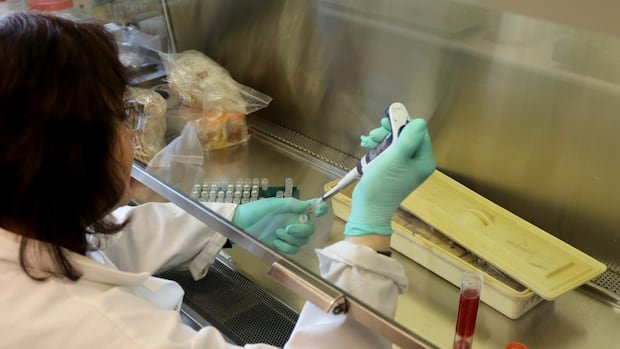
The new facility is designed to enhance the capability for preclinical trials, including laboratory and animal testing, within Canada’s research and development framework. This dedicated space would enable scientists to conduct preliminary tests on small batches of promising vaccines before advancing to clinical trials. Currently, space limitations at the NML sometimes force researchers to repurpose lab facilities designated for highly infectious pathogens like Ebola to conduct preclinical trials.
Both industry and academic partners may utilize the lab areas, subject to appropriate agreements and vetting processes, according to NML chief operating officer Steven Guercio. Addressing the lack of local cleanrooms for producing test batches, Keith Fowke, scientific director at the Canadian Institutes of Health Research’s infections facility in Winnipeg, highlighted the common challenge faced by Canadian university researchers in transitioning vaccine discoveries to early human safety trials.
Experts advocate for the expansion of Canada’s capacity in preclinical testing, a topic that has been under discussion for over a decade. Gary Kobinger, a former NML scientist involved in developing the world’s first successful Ebola vaccine, emphasized the importance of sustained funding over the next decade to advance medical products effectively.
Investing in pandemic research is crucial not only during outbreaks but also during periods of relative calm, according to McGill’s Liu. She underscored the necessity of continuous investment in virus research and countermeasures, even when public attention shifts away from health threats.
Concerns were raised about potential governance risks if the countermeasures lab is solely government-managed, with the risk of bureaucratic hurdles and financial challenges. The handling of the Ebola vaccine development in Canada, amidst budget cuts and technology transfer difficulties, serves as a cautionary example. Kobinger highlighted the need for effective governance within government institutions to prevent operational delays and ensure successful collaborations with private industry.
While PHAC defended its investments in rebuilding Canada’s life sciences sector, experts emphasize the need for effective leadership, vision, and streamlined processes to ensure the success and sustainability of such critical initiatives.