

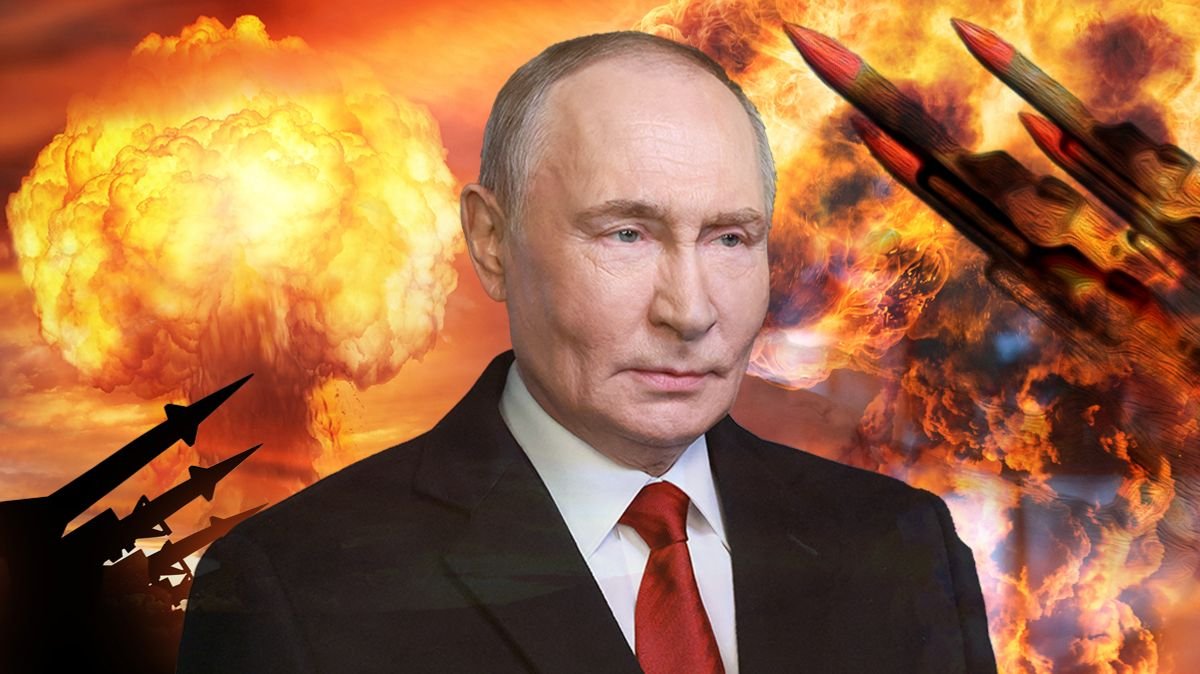

Tensions between Russia and global powers have escalated recently, bringing the threat from the Kremlin perilously close. Following extensive rhetoric from Vladimir Putin’s associates, Russia has now explicitly warned of using nuclear weapons on the UK and Europe if they face defeat in Ukraine. Sergey Karaganov, head of Russia’s Council for Foreign and Defense Policy, emphasized that Putin would resort to nuclear weapons, resulting in Europe’s physical demise.
This alarming declaration followed a significant escalation on January 8, when the Kremlin carried out a substantial drone and missile attack in Ukraine, including the combat use of a nuclear-capable hypersonic missile named Oreshnik. The strike targeted Lviv, a mere 70km from the Polish border, sending a stark message to the West. Concurrently, Prime Minister Keir Starmer inked a historic agreement to deploy troops to Ukraine if a peace deal with Russia materializes. Nevertheless, the Kremlin has rebuffed peace negotiations in Ukraine and labeled British soldiers as legitimate military targets in a recent ominous threat.
With Putin’s spokesperson, Vladimir Solovyov, identifying potential European targets and NATO cautioning Britons to brace for war akin to previous generations, the specter of global conflict looms over modern Britain. While Starmer has described the situation as the most significant military threat in a generation, other nations like France, Norway, and Finland have taken proactive measures by issuing survival guides, advising citizens to stockpile essential supplies in anticipation of a potential nuclear assault.
Moreover, the European Union has advised its members to be self-reliant for 72 hours, urging individuals to store necessities such as food, water, and crucial documents in waterproof containers. The initiative, part of a broader preparedness strategy, emphasizes the interconnected and complex threats facing Europe today. The need for strategic reserves and essential supplies to counter various dangers has been highlighted by EU crisis management commissioner Hadja Lahbib.
In light of these developments, experts and preppers emphasize the importance of preparation and community resilience in surviving potential conflicts. While individual readiness is crucial, building strong community connections and acquiring essential skills like gardening, conflict resolution, and foraging play a vital role in enhancing overall preparedness for unforeseen emergencies. Dr. Arnab Basu and expert prepper Dan Goss provide valuable insights and advice on navigating such challenging circumstances, emphasizing the significance of collective action and practical skills in times of crisis.