
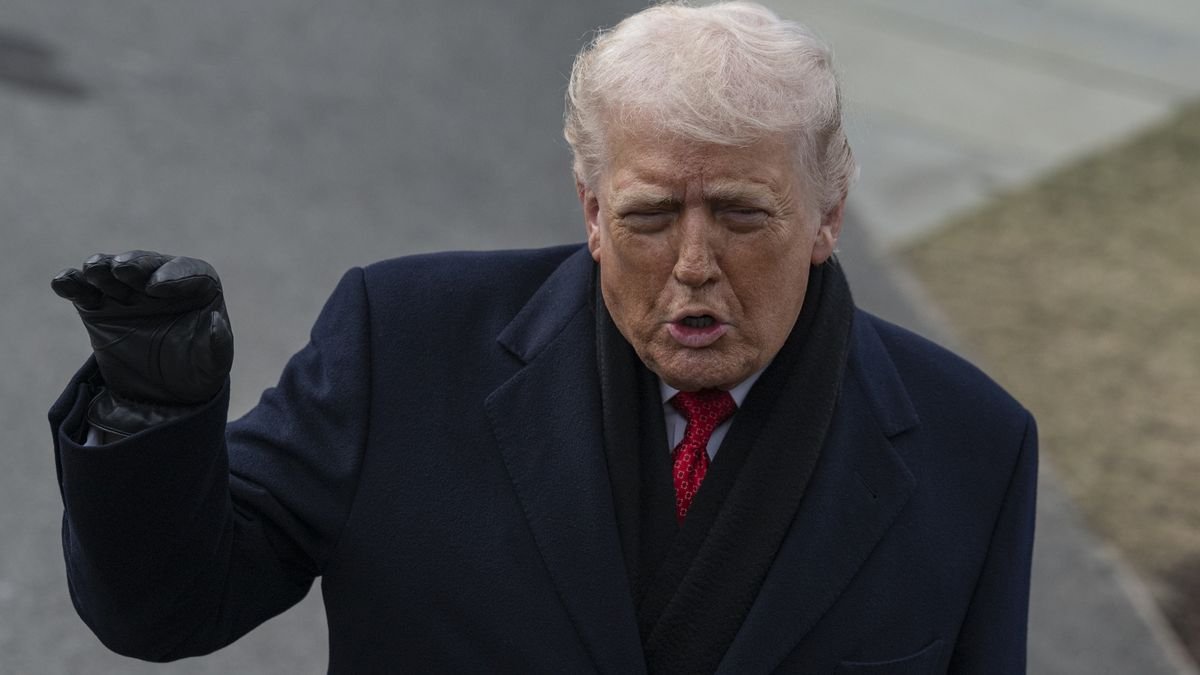

UK and several European countries are expressing concerns over the potential repercussions of Donald Trump’s recent threats of imposing tariffs if they do not agree to the sale of Greenland. The countries singled out by Trump have issued a joint statement criticizing his tactics in attempting to acquire the territory from Denmark.
Denmark, Finland, France, Germany, the Netherlands, Norway, Sweden, and the UK, as NATO members, emphasized their commitment to enhancing Arctic security as a shared transatlantic interest. They highlighted their solidarity with Denmark and Greenland while emphasizing the importance of sovereignty and territorial integrity in any dialogue.
The nations warned that Trump’s tariff threats could harm transatlantic relations and lead to a negative escalation. They reiterated their united stance and determination to uphold their sovereignty amidst the escalating tensions.
Trump’s ultimatum involves imposing tariffs on exports from the UK and the other seven countries, starting at 10% in February and escalating to 25% in June if his demands regarding Greenland are not met. In response, Trump on Truth Social called for swift action to resolve the situation for the sake of global peace and security.
Various world leaders, including UK Prime Minister Keir Starmer, French President Emmanuel Macron, and Sweden’s Prime Minister Ulf Kristersson, have condemned Trump’s tariff threats, vowing not to yield to intimidation or blackmail. Despite the increasing pressure from the US regarding Greenland, reports indicate that the affected countries were not given prior notice of the impending tariffs.
Additionally, the European Commission and Council presidents emphasized that the Danish military exercise in the Arctic poses no threat and warned that tariffs could jeopardize transatlantic relations. The situation remains tense as countries navigate the implications of Trump’s aggressive stance on Greenland.
By choosing Daily Mirror as a ‘Preferred Source’ on Google News, readers can stay informed about developments surrounding this international dispute.