

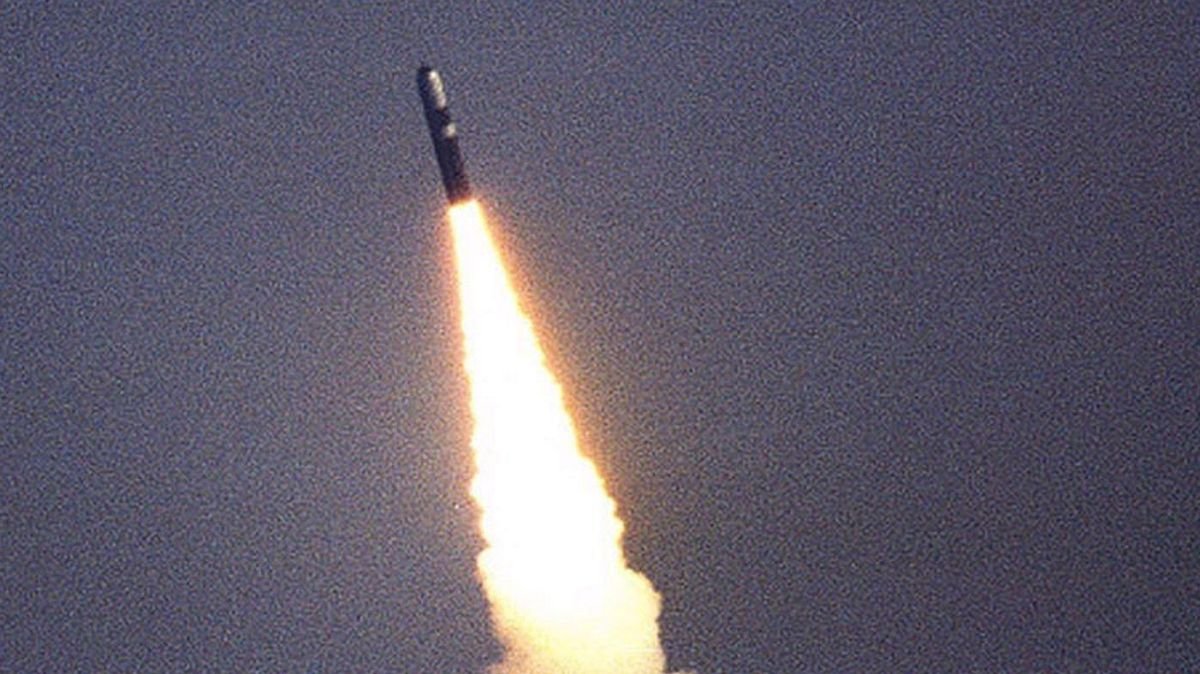

The expiration of the treaty governing nuclear arms between the United States and Russia signifies the removal of a crucial layer of global protection against atomic weapons usage. This development comes amidst heightened tensions between Russia and NATO, coupled with the United States’ wavering commitment to the alliance.
The Treaty on Measures for the Further Reduction and Limitation of Strategic Arms, known as New START, was originally signed by both nations in 2010. While President Putin has expressed willingness to extend the agreement for a year, President Trump has deferred addressing the matter for the future.
Russia and the United States collectively possess 90% of the world’s nuclear weapons, with Moscow maintaining the largest atomic weapons stockpile globally. The expiration of the agreement today poses a significant threat that requires urgent attention, rather than being delayed as a mere bureaucratic issue.
The complexity of the situation has escalated over the past 15 years, with the involvement of additional parties complicating the negotiations. The U.S. insists on China’s inclusion in the treaty, while Russia demands the participation of France and the UK, further complicating the diplomatic landscape.
The involvement of China, a rising military power, adds another layer of challenge as they show no interest in limiting their nuclear capabilities. The absence of a new agreement may lead to a prolonged period without nuclear arms control, potentially triggering an arms race as countries like China seek to bolster their nuclear arsenals.
The expiration of the treaty will likely result in an increase in nuclear weapons globally, diminishing transparency and predictability surrounding the deployment and status of these weapons. The lack of verification mechanisms and data exchanges outlined in the agreement will contribute to growing uncertainties regarding nuclear capabilities.
The transparency offered by arms control agreements played a crucial role in deterrence, ensuring that adversaries were aware of each other’s capabilities. Without a new agreement, the loss of this transparency could have far-reaching implications for strategic stability and security in the realm of nuclear weapons.