

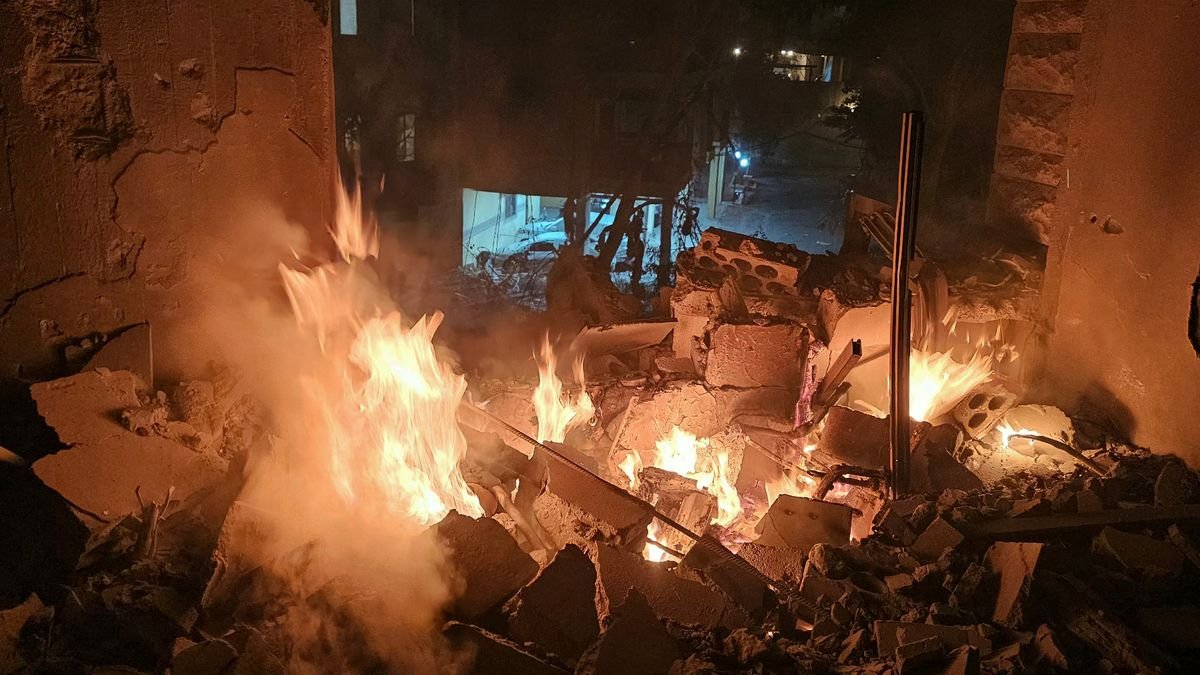

American and Israeli military strategists believed that eliminating Iran’s supreme leader, Ayatollah Khamenei, would severely weaken Tehran’s military capability. However, despite three days of intense bombing, intelligence reports indicate that Tehran’s command and control system remains intact.
This development suggests a significant miscalculation by the US, as Iran seems prepared for a prolonged and bloody war of attrition. President Donald Trump’s reliance on force and coercion may not yield the desired outcome, unlike previous administrations that heeded intelligence advice.
While Israel remains focused on eventual victory, the US faces political and global repercussions. Defense Secretary Pete Hegseth’s simplistic approach of surgical strikes and overwhelming force contrasts with Iran’s strategy of attrition to deplete US and Israeli military resources.
The potential escalation could lead to a drain on defense capabilities, necessitating increased military presence in the Middle East. Trump’s decision to engage without clear objectives may prove to be a costly error, impacting not only military operations but also global economic stability due to rising oil prices.
The uncertain future in Iran raises concerns about potential regime changes and civil unrest, with conflicting factions vying for power. The ongoing conflict underscores the complexities and risks associated with military interventions in the volatile Middle East region.