


Canadian conservationists and wildlife experts are expressing concern following the decision by the U.S. President Donald Trump’s administration to weaken habitat protections for endangered species in July. The U.S. Department of the Interior declared on July 10 that it was revoking a long-standing definition of “harm” under the Endangered Species Act (ESA). Various wildlife and environmental organizations swiftly criticized the move, stating that it disregards the critical ecosystems on which vulnerable species rely, especially amidst extensive biodiversity loss and industrial pressures.
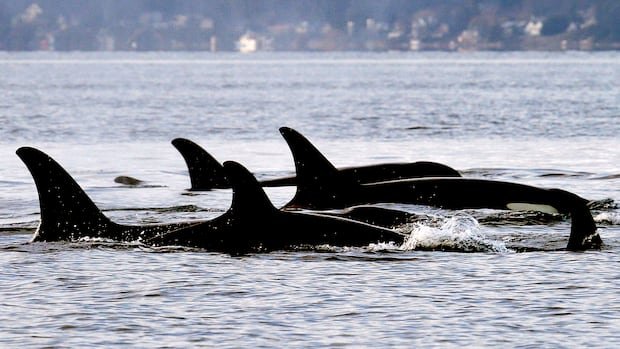
Numerous groups have taken legal action by filing a lawsuit in the U.S. District Court to challenge the repeal, which is set to take effect on September 14. Canadian experts have highlighted that this alteration could endanger species that traverse both countries, such as migratory birds, northern spotted owls, grizzly bears, and southern resident killer whales, which move between U.S. and Canadian waters without distinguishing between the two.
The modified definition of “harm” by the Trump administration is argued to end what is perceived as federal overreach, maintaining Endangered Species Act protections while alleviating burdens for landowners and communities. For years, U.S. agencies interpreted “harm” to encompass activities that cause death or injury to wildlife through significant habitat alterations or degradation, a stance upheld by the U.S. Supreme Court in the mid-1990s. Critics, including Noah Greenwald from the Center for Biological Diversity, assert that this reversal undermines the conservation efforts of the past five decades and could have repercussions on wildlife populations in Canada as well.
Habitat destruction is identified as a primary driver of global biodiversity loss, making the protection of animals challenging when their habitats are compromised. Dennis Murray, a wildlife conservation expert from Trent University, emphasizes the necessity of safeguarding entire home ranges of species rather than merely their immediate environments. Despite the focus on U.S. policies, Canadian conservationists caution against potential similar trends in Canada, particularly as the government considers expediting permitting processes for major infrastructure projects.
While both countries face the need to enhance species protection, concerns persist regarding the direction of environmental policies in North America. The discussions around regulatory changes in Canada underscore the importance of finding a balance between facilitating project development and ensuring environmental conservation. The commitment to nature preservation is underscored by Canada’s significant investments in federal nature strategies and collaborations with the U.S. on wildlife and ecosystem conservation initiatives.