

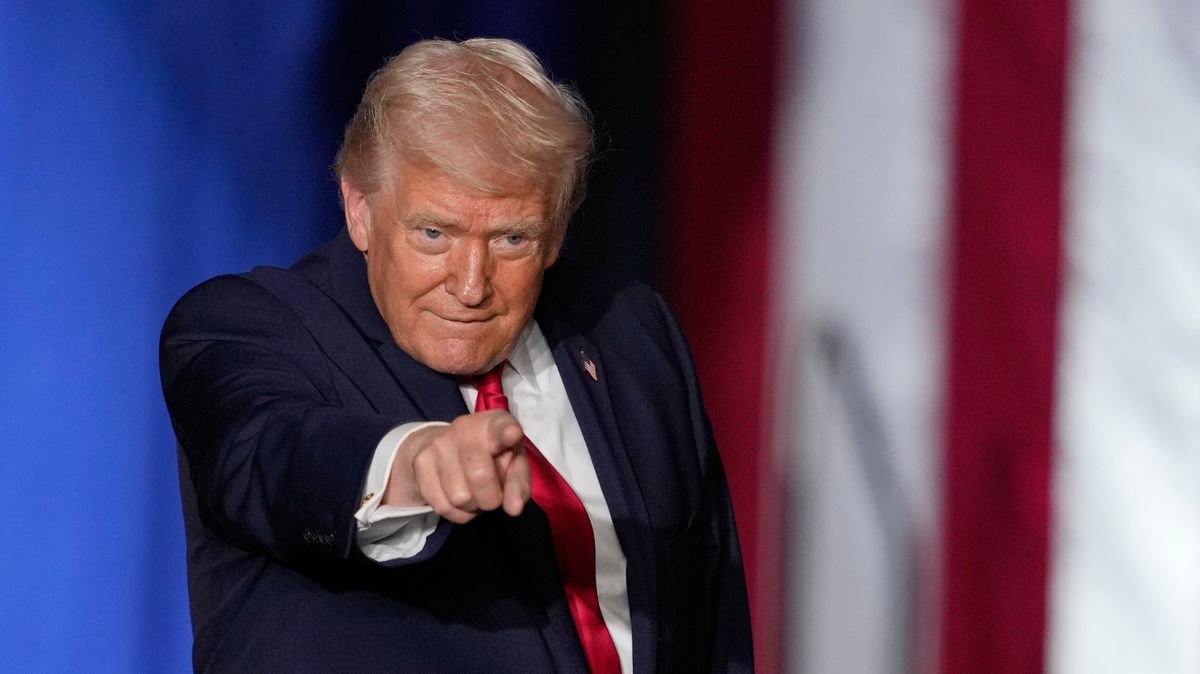

Amidst the second year of his current presidential term, President Donald Trump is facing increasing turmoil, causing concerns among therapists who are uncertain about his next moves.
Recent revelations from newly released Epstein files include a complaint accusing Trump of assaulting a 13-year-old girl in 1994. The accuser, known as Jane Doe, filed lawsuits in 2016 but later withdrew them, with the document detailing alleged instances of abuse by Trump, including rape, and suggesting Epstein’s involvement in the matter.
Although Trump has denied the allegations, the descriptions align with Jane Doe’s 2016 lawsuit. The Trump Organization’s lawyer previously labeled the claims as false.
The Department of Justice stated that the released materials may contain fake or improperly submitted content, including images and documents, as part of the response to the Act.
Despite Trump’s historically divisive persona, even his staunch supporters are beginning to show dissatisfaction over unfulfilled promises of economic prosperity and recent controversial actions by his administration.
During a recent speech, Trump faced heckling from the crowd, a departure from the usual adulation he receives. This shift in sentiment might prompt Trump to reconsider his approach amidst growing criticism.
Trump’s communication style, characterized by brashness and disregard for norms, has drawn criticism from experts who view his behavior as narcissistic and potentially harmful.
Furthermore, concerns over Trump’s mental state have resurfaced, with reports suggesting potential lapses in judgment and behavior that raise alarm among world leaders.
Amidst these challenges, experts warn that Trump’s response to criticism and pressure is likely to be defensive and potentially escalate tensions rather than lead to introspection or change.
As Trump navigates these turbulent times, the outcomes of his decisions and actions remain uncertain, with his leadership style under increasing scrutiny.