

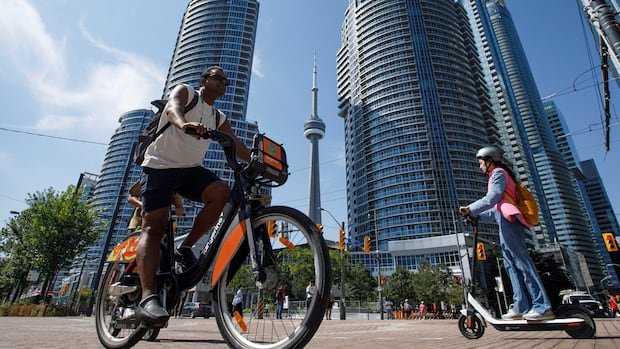

Toronto police have initiated a two-week enforcement drive focused on micromobility traffic regulations, coinciding with the upcoming back-to-school period. The campaign aims to raise awareness about the proper use of e-bikes, e-scooters, and similar devices, as these modes of transport are increasingly popular.
According to a press release from the Toronto Police Service, the surge in the use of micromobility devices, such as bicycles, e-bikes, mopeds, and cargo bikes, prompted the need for this initiative. The police emphasized that safety on the roads is a shared responsibility, regardless of whether individuals are driving, cycling, or utilizing micromobility devices.
During the enforcement campaign, officers will educate road users on various infractions, including illegal sidewalk riding, riding in the wrong direction in cycle tracks, improper use of e-mopeds in cycle tracks, and unauthorized parking in bike lanes. The primary objective of the campaign, which will continue until August 24, is to promote safe and lawful road behavior and reduce collisions involving vulnerable road users.
So far this year, Toronto has witnessed 514 collisions involving micromobility devices, with two fatal accidents involving e-scooters reported by the police. Sgt. Murray Campbell highlighted the increased collision risk posed by illegal parking, which can disrupt the flow of traffic for cyclists, pedestrians, and other vehicles.
In addition to enforcing regulations on roadways, bike lanes, cycle tracks, sidewalks, and crosswalks, police are reminding the public that although owning e-scooters in the city is legal, riding them on public roads, sidewalks, bike lanes, cycle tracks, or trails is prohibited. Sgt. Campbell pointed out that the city’s website contains a list of approved areas for micromobility device use to avoid confusion among riders.
Toronto police have previously conducted similar campaigns, including initiatives in the past summer and November 2024. David Shellnutt, a personal injury lawyer and managing partner at The Biking Lawyer LLP, emphasized that ticketing alone may not resolve the underlying issues of road safety. He advocated for an educational approach, citing ongoing workshops for e-bike food delivery riders in collaboration with Cycle Toronto.
Shellnutt stressed the importance of education in fostering long-term societal change, stating that while enforcement may address individual behaviors, a focus on education is crucial for creating lasting impact.