



Whether you’re an avid track and field enthusiast or a casual sports fan with a passing interest in watching athletes compete in running, jumping, and throwing events, the upcoming Diamond League meet in Silesia, Poland this Sunday is a highly anticipated event.
The women’s 100-meter lineup for this event, which serves as the third-last stop on the Diamond League tour before the World Ultimate Championships in September, showcases an impressive array of talent.
Among the notable athletes scheduled to compete is Julien Alfred from Saint Lucia, the reigning Olympic 100m champion from Paris 2024, who has been making waves this season by challenging Florence Griffith Joyner’s 200m world record. However, she is not the only star to watch out for.
Sha’Carri Richardson, the 2023 world champion, and her teammate Melissa Jefferson-Wooden, who clinched the 100/200 double at the world championships in Tokyo last summer, are also part of the lineup. The presence of Jamaican athletes like Shericka Jackson and Tina Clayton further adds to the star-studded 100m event, featuring five of the top 10 performers in the world this year.
The startlist includes Zoe Hobbs, a Commonwealth Games champion, and Tia Clayton, the other half of the Clayton twin duo. Despite the absence of world leader Adaejah Hodge, the women’s 100m race in Silesia promises to be a highly competitive and prestigious event.
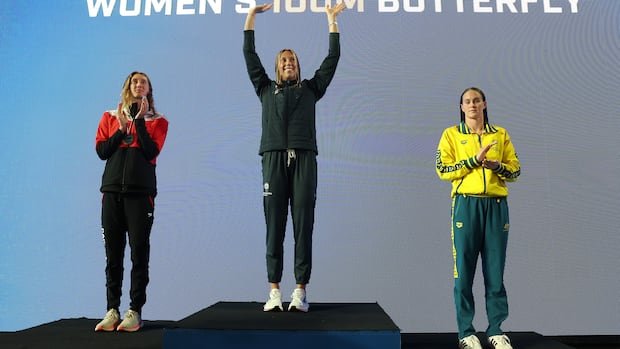
This high-profile race sets the stage for the climax of the season, providing a thrilling and competitive showdown that captivates the audience. Such marquee matchups are essential for the sport’s commercial viability and appeal to a broader audience, especially during non-Olympic seasons.
While hosting events like the women’s 100m final on Sunday comes with significant costs, as attracting numerous elite athletes for a standalone race involves substantial appearance fees, such races are vital for the sport’s growth and sustainability in the long run.
However, this doesn’t imply that every race should feature the same level of talent or intensity. Similar to mainstream North American team sports, where not every game is a playoff matchup, track and field events also vary in significance and star power. Just as an NBA game in February differs from a Christmas Day showdown, each track meet offers a unique experience for fans.
While the dynamics of team sports may not directly align with track and field, where schedules are fixed but lineups are fluid, the importance of showcasing top-tier matchups remains consistent. The unpredictability of athlete participation in track and field mirrors the complexities of boxing, where financial considerations often influence competitive pairings.</