

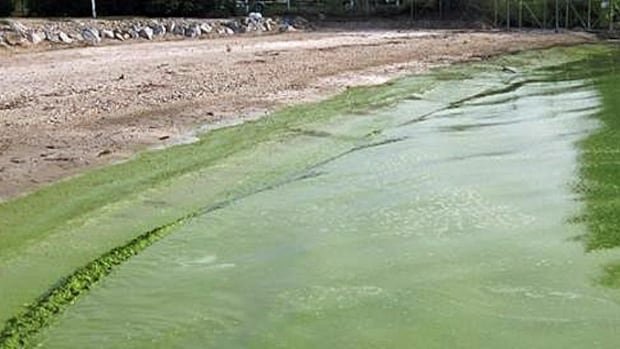

A team of researchers in Alberta is closely monitoring blue-green algae levels through a newly launched website accessible to the public. The Algal Bloom Tracker provides real-time updates on toxic algal blooms in six lakes using a combination of satellite imagery and lake sampling. Rolf Vinebrooke, an aquatic ecology professor at the University of Alberta, explained that the website utilizes satellite images to offer a comprehensive view of the lakes, aiding in identifying areas affected by blooms.
Blue-green algae, also known as cyanobacteria, can proliferate in nutrient-rich lakes during the summer, posing health risks due to toxin production. Vinebrooke emphasized the dynamic nature of these blooms, which can emerge and dissipate rapidly. The Algal Bloom Tracker, a prototype under development since 2017, currently covers lakes like Ethel, Lac La Biche, Nakamun, Pigeon, Sylvan, and Wabamun. The team plans to expand coverage to around 50 lakes in Alberta within the next three years.
When blue-green algae levels exceed safe limits, Alberta Health Services issues health advisories, with over 25 currently in effect across the province. These advisories caution against swimming or using water from affected areas. The Algal Bloom Tracker, while not issuing official advisories, serves as a tool for public awareness and decision-making regarding water activities.
Vinebrooke highlighted the importance of heeding health advisories and the team’s efforts to understand the trends and impacts of blue-green algae blooms. Historical satellite data indicates an increase in bloom intensity since 2000, with heightened variability year-to-year. The project website aims to enhance knowledge of harmful algal blooms and their implications for various stakeholders in Alberta.