

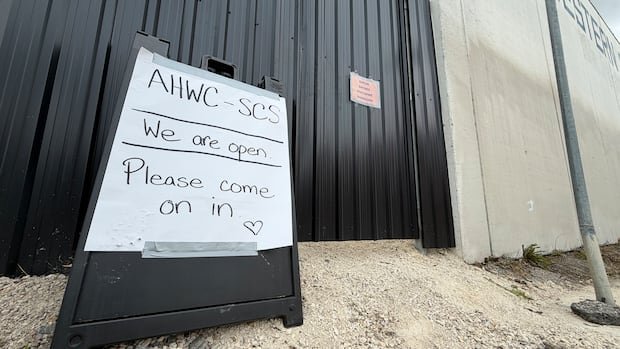

Manitoba’s inaugural supervised consumption facility is now operational five days a week in Winnipeg following extensive delays. The site, situated at 366 Henry Ave. in downtown Winnipeg, commenced operations at 11 a.m. on Tuesday after encountering numerous obstacles that hindered the province’s initial plans to establish a safe environment for drug users to consume under the supervision of trained personnel last year.
The province emphasizes that the facility, which does not provide drugs, aims to mitigate the risk of fatal overdoses and other associated harms while facilitating access to necessary resources for individuals. Addictions Minister Bernadette Smith expressed emotional sentiments towards the community finally receiving the essential support and services they deserve through this initiative.
Originally, the NDP had targeted a 2025 launch for the site. It was initially proposed to be located on the Disraeli Freeway, but following significant opposition from local residents, this plan was discarded in September. Subsequently, objections from neighbors and the Progressive Conservatives were raised against the new site housed in a provincially owned industrial building west of Main Street, asserting concerns about its impact on the area’s safety.
Activist and former addict Joseph Fourre criticized the site, claiming it merely prolongs addiction suffering and suggesting that resources could have been more effectively allocated elsewhere. Similarly, Portage la Prairie MLA Jeff Bereza, the PC critic for addictions and homelessness, echoed the sentiment by emphasizing the lack of structured recovery pathways and expressing concerns about the availability and timing of assistance for those seeking help.
Monica Cyr, CEO of the Aboriginal Health & Wellness Centre, which operates the site in collaboration with the province and other frontline organizations, urged critics to give the initiative a chance, emphasizing the importance of additional resources during times of crisis and reiterating their commitment to harm reduction practices.
The facility is equipped with physician oversight and round-the-clock security. It is staffed by eight personnel, including nurses and a crisis counselor. Capable of accommodating up to 12 clients simultaneously, individuals undergo an initial assessment determining their drug usage patterns. Clients seeking injections are directed to an RV previously utilized for COVID-19 vaccinations, while an adjacent area under a canopy is designated for inhalation.
Continuous monitoring by staff ensures client well-being, with additional resources offered before departure. Downtown Community Safety Partnership foot patrols are available to escort individuals to their destinations, thereby preventing congregation around the site. Moreover, the site’s services are exclusive to individuals aged 18 and above.
Future plans for a more permanent setup include the incorporation of a rapid access addiction medicine clinic and primary health-care services. The Aboriginal Health & Wellness Centre submitted an application to Health Canada in December to operate the site. Premier Wab Kinew indicated that the temporary site would be operational in March after the abandonment of the 2025 opening timeline. The facility briefly opened for one day in June, with gradual operations in July to facilitate staff training ahead of the full opening on August 11.
Mayor Scott Gillingham expressed hope that the site would redirect drug consumption away from city streets, emphasizing the significance of providing a designated space for usage within the downtown area. Health Minister Uzoma Asagwara highlighted the dual purpose of the facility in caring for individuals and enhancing downtown safety efforts.
The facility’s Indigenous leadership and incorporation of Indigenous cultural practices aim to foster trust within the community, particularly among Indigenous individuals disproportionately impacted by substance use. The site’s operations are closely monitored, with regular reporting to both provincial and federal governments on activities and support provided to individuals.
Lourdes Miranda, owner of the Pampanga Restaurant on Henry Avenue, raised concerns about the location selection and potential exacerbation of crime in the area due to the facility’s presence. However, facility representatives anticipate a decrease in open drug use over time and stress the importance of community trust in facilitating the site’s success.
Led by Indigenous stakeholders, the site is the first of its kind in Canada. The integration of Indigenous ceremonies and practices underscores the commitment to providing a safe and culturally sensitive environment for all individuals seeking support and healing.