


In 1943, Johnny Kiyawasew, an 11-year-old boy from Sturgeon Lake Cree Nation, passed away at a hospital in northern Alberta, far from his family. Johnny was a student at the St. Francis Xavier Residential School in Calais, Alta., and never returned home, leaving his family unaware of his fate for many years.
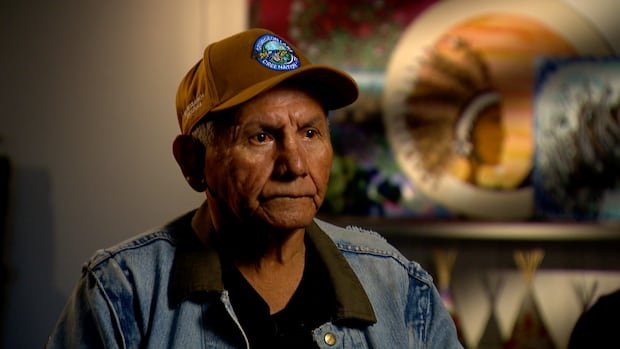
Robert Kiyawasew, Johnny’s younger brother, expressed his family’s distress over the lack of communication regarding Johnny’s death. It was only in 2013 that Johnny’s gravesite was discovered by his sister Roseann, aided by a private investigator. Johnny died of pulmonary tuberculosis at a hospital in High Prairie, where he was buried, a considerable distance from the residential school.
Presently, Sturgeon Lake Cree Nation and the University of Alberta are engaged in thorough research to reveal the untold stories of children like Johnny, who attended residential schools but never made it back home. Chief Sheldon Sunshine highlighted the tragic reality that many children at St. Francis Xavier succumbed to tuberculosis and malnutrition, emphasizing the human toll of these historical events.
Robert Kiyawasew, grateful for his sister’s efforts in finding Johnny’s grave, regularly visits the site to pay his respects. As a survivor of a day school himself, Robert shared the similar hardships faced by his siblings at St. Francis Xavier and emphasized the importance of preserving their culture and heritage.
The difficulties in obtaining records from residential schools were addressed by Raymond Frogner, who heads the archives at the National Centre for Truth and Reconciliation. Frogner explained the challenges posed by disorganized and incomplete records managed by various organizations, resulting in a fragmented historical narrative.
Sunshine highlighted the obstacles faced by researchers in accessing church records, which are often unavailable or withheld, hindering efforts to uncover the truth about past events. Despite these challenges, Sturgeon Lake Cree Nation remains committed to piecing together the stories of children who never returned from residential schools, recognizing the importance of finding closure and addressing intergenerational trauma.
Efforts to seek justice and healing for survivors and impacted individuals are supported by resources such as the Indian Residential School Crisis Line and the Hope for Wellness hotline, providing emotional support and crisis intervention services.