

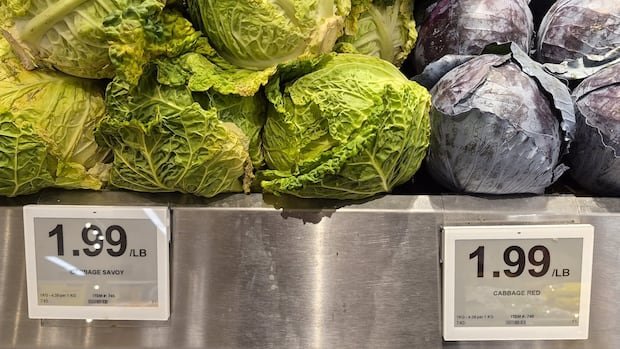

Loblaw has decided to reinstate country-of-origin labels on produce signs in response to significant customer dissatisfaction. The controversy emerged when shoppers noticed missing origin information on produce displays in stores. Karla Hennig from Penticton, B.C., expressed disappointment, emphasizing the importance of knowing what we consume. She criticized the absence of labeling at her local Superstore, feeling it was disrespectful and not meeting consumer demands.
While Loblaw initially removed origin details from produce signage nationwide, exceptions were made for Ontario and Quebec due to provincial regulations mandating labeling transparency. The decision faced backlash in other provinces, especially on social media, as customers expressed frustration over the change coinciding with recent trade tensions and increased interest in buying Canadian products.
Edmonton resident Karl Mueller raised concerns after noticing the lack of country-of-origin labels at his local Real Canadian Superstore, emphasizing the importance of supporting Canadian businesses during economic uncertainties. Agricultural economist Ellen Goddard predicted Loblaw’s policy reversal, attributing it to heightened emotions amid trade uncertainties between Canada and the United States.
Responding to inquiries, Loblaw acknowledged the need to support Canadian products during trade uncertainties and announced the reintroduction of country-of-origin information on produce signage. This move was cautiously welcomed by some customers like Mueller, who highlighted the impact of consumer actions on businesses.
Despite defending its initial decision to remove produce labeling, Loblaw eventually reversed course following public pressure. The grocer cited challenges in sourcing as a reason for the change but did not clarify why labeling remained in Ontario and Quebec stores. Customers were encouraged to check individual produce stickers or packaging for source country details.
The decision to drop produce labeling initially stemmed from regulatory issues faced by Loblaw, with fines imposed for incorrectly promoting imported food as Canadian. The grocer’s response was likely influenced by the need to maintain customer trust and avoid negative publicity. Similar actions were observed in the industry, with Sobeys also adjusting its product promotion strategies following regulatory scrutiny.
While there is no federal mandate requiring grocers to display a product’s origin on store signage, some consumers are advocating for new legislation to mandate origin information for bulk produce. Calls for clearer labeling to aid consumer choices have been voiced, emphasizing the need for transparency in the food supply chain.