


Rising expenses for food and housing have been a major concern contributing to the affordability crisis. However, recent data from the consumer price index (CPI) reveals a significant surge in healthcare costs for Canadians since the peak of overall inflation in June 2022.
The increase in healthcare expenses may not be as apparent to many Canadians, experts suggest. This is partly because a portion of these costs is covered by the public healthcare system, which is not factored into CPI data. Additionally, out-of-pocket healthcare expenses for individuals are often sporadic, unlike regular expenses like rent or groceries.
Despite being less visible, healthcare prices have been on a steep upward trajectory in recent years, according to Andrew Longhurst, a senior researcher at the Canadian Centre for Policy Alternatives (CCPA). Longhurst predicts that this trend may intensify further, especially with the aging population and provincial governments implementing fiscal restraint measures.
While the overall inflation rate, as measured by the all-items CPI, has increased by around 11% since June 2022, the category of health and personal care costs has surged by over 15% during the same period. In particular, healthcare services such as eye exams, physiotherapy sessions, and basic dental care have seen an 18.5% rise, comparable to the increase in food prices.
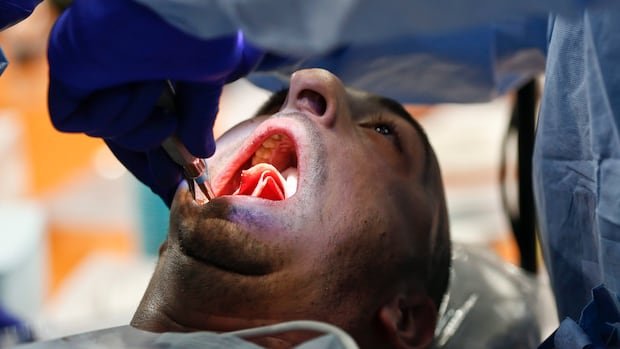
Dental care services and eye care products have experienced a notable 20% price hike since June 2022. Longhurst highlights that these sectors exhibit a divide between public and private involvement, with costs being largely unregulated on the private side.
Statistics Canada data indicates that healthcare service prices have consistently outpaced overall inflation over the years, emphasizing the long-standing trend. Factors such as skilled labor expenses contribute to the sustained increase in healthcare costs, as noted by Jimmy Jean from Desjardins Group.
The introduction of the Canadian Dental Care Plan in 2024 aimed to address healthcare affordability, but dental care CPI figures have continued to climb. The plan has heightened demand in a sector facing shortages of skilled professionals, leading to additional out-of-pocket costs for patients.
Despite the healthcare cost surge, many Canadians may not fully grasp the extent of price inflation due to the substantial coverage provided by the public healthcare system. This has led to health and personal care expenses comprising a smaller portion of the overall CPI basket compared to essentials like food and shelter.
Private spending on healthcare is growing, with Canadians increasingly bearing a larger share of healthcare costs privately. An analysis by the CCPA revealed that private health spending per person expanded by 8.1% from 2021 to 2023, outpacing public spending growth.
Longhurst warns that the rising healthcare expenses may disproportionately impact financially vulnerable individuals, potentially widening access gaps based on income levels. Without intervention from governments, he anticipates growing challenges in accessing essential healthcare services across the country.