

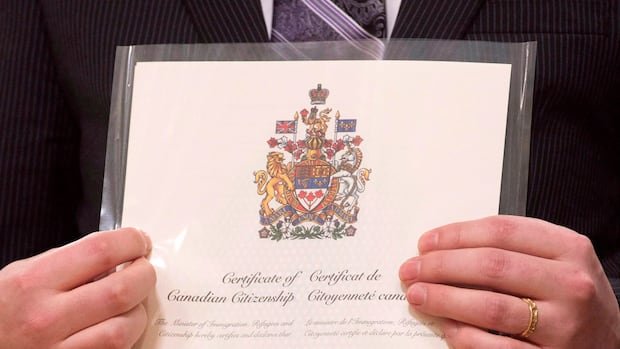

Applications for Canadian citizenship certificates have been increasing globally, driven by a surge in submissions from the United States, as per recent findings by CBC News. The adoption of the “Lost Canadian” legislation by Parliament last year led to a nearly 50% rise in the issuance of certificates between April 1 and May 31, based on new data obtained by CBC.
The implementation of Bill C-3 now allows individuals to obtain citizenship if they can demonstrate descent from a Canadian ancestor, even if that ancestor emigrated from the country several generations ago. Following the enactment of Bill C-3 in mid-December, up to May 31, Immigration, Refugees and Citizenship Canada (IRCC) granted around 6,100 citizenship certificates to eligible applicants, compared to 4,075 certificates issued before March 31.
Additionally, 17,390 individuals have received certificates due to having a Canadian parent, a requirement that was in place before the adoption of the bill. This has resulted in a total of 23,490 new Canadian citizens who can now apply for Canadian passports and reside and work in Canada. However, these individuals are ineligible to vote in federal elections unless they have resided in Canada at some point in their lives.
A significant portion of the newly recognized citizens are from the United States, with 3,110 Americans qualifying for citizenship certificates under Bill C-3 and another 8,125 Americans obtaining certificates because of Canadian-born parents. The surge in applications has led to a backlog, with approximately 121,800 individuals currently awaiting a decision on their citizenship status, up from 56,000 in April and 70,400 in May.
The wait time for a decision has doubled from 12 months in May to 25 months as of August 10, reflecting the growing demand for citizenship recognition under Bill C-3. The potential number of individuals eligible for Canadian citizenship under the new law varies, with estimates suggesting that as many as 115,000 people could be impacted by the legislative change.
Meanwhile, Canadian archivists are experiencing a sharp increase in requests for genealogical records needed to prove lineage for Canadian citizenship certificates under Bill C-3. The influx of requests, primarily from the U.S., has placed significant strain on archivists and institutions, as they navigate complex historical records dating back centuries.
The Association of Canadian Archivists is advocating for increased funding to support the heightened demand for genealogical records necessitated by Bill C-3. The suspension of some issued certificates by IRCC due to document discrepancies has raised concerns among archivists, who fear a potential wave of individuals needing further records verification.
Efforts to address the backlog and streamline the application process are ongoing, with IRCC emphasizing the importance of efficiently managing demand while upholding the integrity of the citizenship program. Despite challenges, officials remain committed to facilitating the citizenship application process and supporting individuals seeking to establish their Canadian heritage.